Categories
Ear Health Health & Wellness

Eustachian Tube Dysfunction: Identify the Essential Symptoms

Last Updated on 18/04/2025 by Admin

Identifying the Crucial Symptoms of Eustachian Tube Dysfunction

Understanding Ear Pressure Sensations and Their Health Consequences

A person at high altitude feeling intense ear pressure, like a balloon about to burst, with a blocked sensation.

Experiencing ear pressure can resemble the tense sensation of a balloon nearing its breaking point—an intensely uncomfortable experience that can easily become a distraction in your daily life. This sensation, often characterised as a blockage or stuffiness in the ear, frequently indicates eustachian tube dysfunction. Consider the scenario of ascending to high altitudes; the pressure builds in your ears, clearly demonstrating the nature of ear pressure. Such sensations commonly arise during activities like flying, diving, or even at seasonal transitions when atmospheric pressure fluctuates.

This discomfort is not simply an annoyance; it can substantially interfere with your daily activities and overall well-being. Activities such as swimming or flying might become daunting if even minor changes in elevation prompt uncomfortable ear pressure. Failing to address this symptom could lead to more severe complications, including pain and alterations in hearing ability, creating a distressing cycle that can significantly impact your everyday life.

Effectively addressing ear pressure is essential for sustaining comfort and promoting overall health. A straightforward yet effective way to relieve this sensation is through actions such as yawning or swallowing, which aid in the functioning of the eustachian tube, facilitating proper pressure equalisation. By recognising and monitoring ear pressure, you can implement proactive measures before it develops into a more severe issue, thereby preserving your quality of life and enabling you to engage in daily activities without distraction.

Recognising Ear Pain and Its Significance

Ear pain can present itself as a sharp jab or a constant dull ache, often signalling an underlying issue that warrants attention. If you have experienced ear pain that worsens with altitude changes, it may serve as a classic warning sign of eustachian tube dysfunction. Consider ear pain as your body’s urgent signal for assistance—an indication that something may not be quite right. Whether caused by a cold, allergies, or an infection, this discomfort can intrude upon your peace, transforming simple pleasures into arduous tasks, making it crucial to address these signals promptly.

Imagine hiking to a scenic viewpoint to witness a breathtaking sunset, only to be abruptly interrupted by sudden ear pain as you ascend. Such discomfort can be incredibly frustrating and can have cascading effects, disrupting not only your immediate enjoyment but also affecting your sleep, diminishing your concentration, and straining your interactions with others.

Bridging the gap between awareness and action is vital. If you experience persistent or severe ear pain, do not ignore it; seek medical advice. Addressing this symptom early can prevent further complications and allow you to engage in your daily life without the burden of pain, ensuring that you remain active and involved in your daily pursuits.

Identifying Hearing Changes as a Critical Warning Sign

Have you ever found yourself in a crowded room, only to notice that everyone around you appears to be speaking in muted tones? Changes in hearing, such as temporary hearing loss or muffled sounds, are crucial indicators of eustachian tube dysfunction. You may not fully appreciate the role your ears play in your overall life experience until you begin to notice these fluctuations, which can be alarming and disorienting.

These auditory changes can often be alleviated through actions such as yawning or swallowing, which assist in equalising pressure in the ear. Think of it as recalibrating your auditory system. However, when these changes occur frequently or persistently, they can contribute to feelings of isolation and frustration. Imagine navigating social situations while struggling to grasp conversations; this is the impact that hearing changes can have on your social interactions, work, and family dynamics, leading to significant emotional distress.

Being attentive to any shifts in your hearing can facilitate early identification of potential underlying issues. Whether it is an allergy flare-up or a common cold, understanding how these changes affect your ear health can lead to more proactive care. Tune into your body’s signals—clearer hearing can enhance your sense of connection with the world around you, allowing you to fully engage in life’s experiences.

Understanding the Daily Impact of Tinnitus
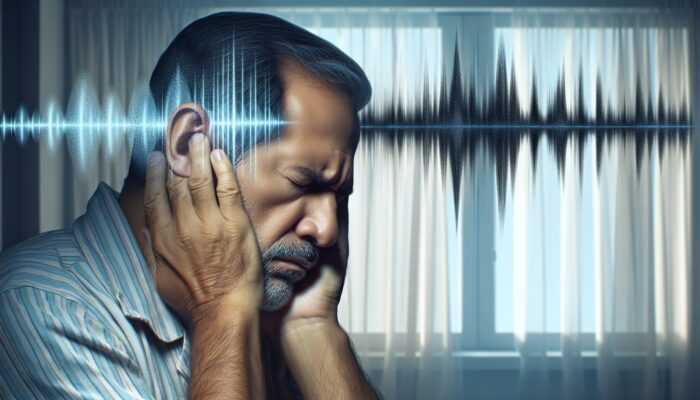
A distressed person in a quiet room with abstract sound waves representing tinnitus disrupting focus and sleep.

Are you experiencing unexpected ringing, buzzing, or hissing sounds in your ears? Welcome to the world of <a href=”https://www.earwaxremoval.net/weather-changes-and-their-impact-on-ear-pressure-a-guide/”>tinnitus</a>—a prevalent yet often misunderstood condition that frequently serves as a significant sign of eustachian tube dysfunction. Whether the sound is constant or intermittent, it can be disconcerting and distracting, pulling your attention away from conversations, music, or even the soothing sounds of nature.

Tinnitus often accompanies other symptoms like ear pressure and hearing changes, as if your ear is attempting to communicate despite the noise obscuring its message. The effects of this condition can extend beyond auditory disturbances; it may lead to increased anxiety, difficulties concentrating, and disrupted sleep patterns, creating a challenging cycle of discomfort that can feel overwhelming.

However, understanding tinnitus can empower you on your path to relief. Consider seeking methods to alleviate the persistent ringing or buzzing, whether through relaxation techniques, sound therapies, or professional evaluations. Tinnitus does not have to be a lifelong burden. Early recognition and intervention can pave the way for an improved quality of life, allowing you to once again appreciate the beautiful sounds of life that surround you.

Conditions Often Associated with Eustachian Tube Dysfunction

Understanding the Influence of Allergies on Eustachian Tube Function

Allergies can often feel like an unwelcome guest that lingers too long, wreaking havoc on your eustachian tube and leading to dysfunction. When discussing eustachian tube dysfunction, allergies frequently take centre stage, highlighting the intricate connections between our bodily systems and their overall health.

Imagine enjoying a beautiful spring day outdoors, only to be sidelined by relentless sneezing and a stuffy nose. This nasal congestion can obstruct the eustachian tube, resulting in uncomfortable pressure and even ear pain. What should be joyous experiences—like blooming flowers or a delightful picnic—might transform into sources of distress, underscoring the significant impact of allergies on your well-being.

Effectively managing allergies is essential for preventing the onset of eustachian tube dysfunction. Strategies may include over-the-counter antihistamines, nasal sprays, or avoiding known allergens. By addressing these triggers, you can safeguard your ear health and overall comfort. Adopting a proactive approach to managing allergies can greatly enhance your enjoyment of life’s moments without the looming threat of ear troubles.

Exploring the Effects of Upper Respiratory Infections

Have you ever experienced that overwhelming sensation when you catch a cold, and your entire world seems turned upside down? Upper respiratory infections, such as the common cold or flu, are notorious for causing swelling and mucus buildup that can severely affect the eustachian tube. In discussions about eustachian tube dysfunction, these infections frequently emerge as primary culprits behind unexpected ear problems.

Picture this scenario: you’re navigating through the winter months, only to be struck down by a bothersome cold. The congestion builds, pressure mounts, and before you know it, you’re grappling with ear pain alongside the usual symptoms of a runny nose and fatigue. It’s a cascading effect—one health challenge leading to another. The congested nasal passages can block eustachian tubes, creating an unpleasant cycle that may persist for weeks.

Focusing on prevention—such as practising good hygiene, staying hydrated, and receiving vaccinations—can significantly reduce your risk of upper respiratory infections and their adverse effects on your ear health. If you do find yourself feeling unwell, prioritising rest and recovery can help minimise the chances of developing eustachian tube dysfunction. Remember, a little attentiveness can dramatically enhance your recovery journey and overall health.

Examining the Link Between Chronic Sinusitis and Eustachian Tube Dysfunction

Chronic sinusitis, characterised by ongoing inflammation of the sinuses, can play a significant role in eustachian tube dysfunction. When your sinuses are inflamed, they can lead to persistent nasal congestion, resulting in complications that adversely impact the eustachian tube’s operation and your overall ear health.

Imagine living with the dull ache of chronic sinus pressure. It extends beyond mere discomfort; it infiltrates every aspect of your daily life. Whether you’re at work, home, or out enjoying the day, chronic sinusitis can weigh heavily on your experience. The swelling and mucus accumulation can obstruct the eustachian tube, resulting in feelings of fullness in the ears and even fluctuating hearing, affecting your quality of life.

Managing chronic sinusitis requires a comprehensive approach. Utilising nasal rinses, medications that reduce inflammation, and consulting healthcare professionals for personalised treatment plans can significantly enhance your ear health. By addressing the underlying causes of your sinus issues, you can empower yourself to navigate daily challenges without the persistent burden of sinus-related ear problems, leading to a more fulfilling life.

Diagnostic Strategies for Eustachian Tube Dysfunction

The Importance of Comprehensive Physical Examinations

Imagine entering a doctor’s office, where the first step involves a thorough physical examination of your ears. This process is not merely a routine check-up; it is a vital component in recognising signs of eustachian tube dysfunction. A comprehensive ear examination serves as the gateway to understanding your ear health, enabling healthcare professionals to assess for fluid buildup, retraction, or other concerning indicators.

During the examination, your doctor will utilise specialised tools to inspect your ear canal, searching for any irregularities. The presence of fluid in the middle ear may suggest dysfunction, akin to identifying a leaky faucet that requires attention. By recognising these issues early on, you can take proactive measures to address them, preventing further complications in the future and ensuring your ears remain healthy.

Being informed about what to expect during a physical examination can alleviate any apprehensions. Understanding that this simple yet crucial step can lead to clearer insights about your ear health is essential. Knowledge transforms anxiety into empowerment, and proactively managing your ear health is a choice worth making for your overall well-being.

The Role of Tympanometry in Ear Health Assessment

Imagine undergoing a test that measures the movement of your eardrum—tympanometry serves this exact purpose! This innovative diagnostic tool plays a pivotal role in assessing middle ear function and pressure, making it essential for eustachian tube dysfunction. It’s a straightforward, painless procedure that can yield invaluable information about your ear health and overall functioning.

During tympanometry, a device is positioned in your ear canal to create variations in air pressure. The response of your eardrum provides insights into whether fluid is present in the middle ear or if the eustachian tube is functioning correctly. Consider it akin to tuning into the delicate symphony of your ear’s mechanics—every movement tells a compelling story about your ear health.

Understanding the results of tympanometry can guide you and your healthcare provider in determining the next steps for treatment. If the test indicates dysfunction, it opens the door to exploring tailored strategies for relief and improvement. This test is more than just data; it is a key to unlocking a path toward clearer hearing and enhanced comfort in your life.

Visualising Eustachian Tube Function with Nasopharyngoscopy

While the thought of visualising the nasopharynx may seem daunting, nasopharyngoscopy is a groundbreaking method for recognising signs of eustachian tube dysfunction. This diagnostic technique involves inserting a small camera through the nose to examine the nasopharynx, which is crucial for the function of the eustachian tube and overall ear health.

Imagine your doctor skillfully navigating through a narrow pathway that connects the nasal passages to the throat. By identifying any structural issues that may affect the eustachian tube, healthcare providers can develop targeted treatment plans that cater to your specific needs. Whether it pertains to anatomical abnormalities or inflammation, this examination offers rich details that can guide your care and improve your overall ear health.

While the concept of having a camera inserted through your nose may appear intimidating, understanding that this procedure is designed to assist you can serve as a powerful motivator. It’s about uncovering the hidden layers of your health to empower you on your journey toward relief. The clarity gained from nasopharyngoscopy can be invaluable, facilitating informed decisions and proactive management of eustachian tube dysfunction.

Audiometry: Assessing Your Hearing Health

Picture yourself stepping into a sound booth, a serene environment where you can truly tune into your auditory experience. Audiometry is a hearing test that evaluates your ability to hear sounds, making it a vital component in recognising signs of eustachian tube dysfunction. This test helps differentiate between various types of hearing loss, including conductive hearing issues linked to eustachian tube problems, providing critical insights into your auditory health.

During the audiometry test, you’ll listen to a series of tones through headphones, responding as you hear them. It’s akin to a musical game, but the stakes are high—your hearing health is at risk. The results provide essential insights into whether your hearing challenges stem from eustachian tube dysfunction or another underlying issue, guiding your treatment plan and approach to care.

Understanding your audiometry results can empower you to take charge of your hearing health. Armed with this knowledge, you can collaborate with your healthcare provider to explore treatment options, making informed decisions that align with your unique needs. Your hearing is invaluable, and audiometry is a crucial step toward preserving it and enhancing your quality of life.

Utilising Imaging Studies for a Comprehensive Diagnosis

When diagnosing eustachian tube dysfunction, sometimes a picture truly is worth a thousand words. Imaging studies, including CT or MRI scans, can visualise the eustachian tube and surrounding structures, providing a detailed look at potential anatomical abnormalities. These studies act as a magnifying glass, revealing insights that may not be apparent through other diagnostic methods, thus informing your treatment decisions.

Imagine having the ability to peer inside your body without invasive procedures—this is the power of imaging studies. By analysing these images, healthcare providers can identify structural issues that might contribute to dysfunction. Grasping the bigger picture allows for tailored treatment plans that address not only symptoms but also the root causes of your ear troubles, leading to more effective management of your condition.

While the thought of undergoing imaging studies may seem daunting, remember that this step can be a significant leap toward uncovering the truth about your ear health. Embracing this technology enables you to navigate your journey with confidence, ensuring you have the tools and knowledge to advocate for your well-being and make informed decisions regarding your health.

The Everyday Impact of Eustachian Tube Dysfunction

Overcoming Concentration Challenges Linked to Hearing Difficulties

Imagine sitting in a bustling café, surrounded by lively conversations, yet you find it challenging to concentrate. Hearing difficulties stemming from eustachian tube dysfunction can lead to significant obstacles in maintaining focus, affecting your ability to engage in discussions or fully appreciate the sounds of life. This isn’t merely an inconvenience; it can profoundly influence your work performance, social interactions, and overall well-being, creating a barrier between you and the world around you.

When your ears are not functioning optimally, it can feel as though you’re living in a muffled world. This auditory strain may lead to frustration and fatigue as you struggle to piece together conversations and sounds. The ripple effect can permeate every aspect of your life—from missing out on critical discussions at work to feeling isolated within social settings, ultimately impacting your mental health and emotional state.

Implementing strategies to manage hearing difficulties can help restore your sense of clarity. Options like utilising hearing aids, participating in auditory training, or collaborating with a speech therapist can empower you to fully engage in life once more. Recognising the impact of eustachian tube dysfunction on your concentration is the first step toward discovering solutions that can transform your everyday experience, enabling you to reconnect with those around you.

Addressing Sleep Disturbances Related to Ear Pain

Picture yourself lying in bed, tossing and turning, as persistent ear pain disrupts your much-needed rest. Sleep disturbances caused by eustachian tube dysfunction can significantly impact your quality of life, leading to fatigue and irritability. A restful night’s sleep is crucial for maintaining overall health, and when ear discomfort intrudes, it can create a challenging cycle of exhaustion that is difficult to break, affecting your daily interactions and overall mood.

The relationship between ear pain and sleep is profound. When discomfort arises, it becomes increasingly challenging to relax, resulting in restless nights. The repercussions extend beyond the night; the following day can feel like a fog, impairing your ability to focus and interact with others effectively. This cycle often spirals out of control if left unaddressed, compounding the issues you face in your daily life.

Empowering yourself with strategies for managing ear pain can be transformative. Simple techniques, such as applying warm compresses or elevating your head while sleeping, can alleviate discomfort and promote better rest. Seeking medical advice for persistent symptoms can also help you find personalised solutions for lasting relief. Prioritising your ear health is essential for reclaiming restful nights and enhancing your overall quality of life, allowing you to wake up refreshed and ready to engage with the world.

Overcoming Communication Challenges

Every conversation is a delicate exchange, a beautiful interaction of ideas and emotions. But what happens when eustachian tube dysfunction leads to muffled hearing? Communication challenges can arise, creating barriers in both social and professional interactions. It’s more than just missing words; it’s about feeling disconnected from those around you, leading to feelings of frustration and isolation.

Imagine striving to engage in a heartfelt conversation, only to find yourself constantly straining to catch what’s being said. This can lead to frustration—not just for you, but also for those conversing with you. The social repercussions can be significant, potentially resulting in misunderstandings and discomfort within relationships, which can further exacerbate your feelings of isolation.

Fostering open lines of communication regarding your hearing difficulties is crucial. Informing friends, family, and coworkers about your challenges can cultivate an environment of understanding and support. Employing tools such as written communication or visual aids can further enhance your interactions. The key lies in acknowledging how eustachian tube dysfunction affects your ability to connect and taking proactive measures to bridge those gaps, thereby strengthening your relationships and promoting a sense of belonging.

Exploring Treatment Options for Eustachian Tube Dysfunction

How Decongestants Can Offer Symptomatic Relief

Feeling as though your head is shrouded in fog? Decongestants might just be the solution you need for clearing the air—both literally and figuratively. These medications work to reduce nasal congestion, allowing the eustachian tube to function more effectively and relieving symptoms associated with eustachian tube dysfunction. By alleviating that blocked sensation, decongestants can provide the much-needed relief from discomfort that interferes with your daily life.

Think of decongestants as a rescue team for your nasal passages. They can relieve the pressure that builds up due to allergies or colds, facilitating optimal eustachian tube function. However, it’s essential to use these medications judiciously, as overuse can lead to rebound congestion, worsening the situation in the long term and creating a cycle of dependency that can be difficult to break.

Consulting with a healthcare provider about suitable decongestant options can assist you in navigating your treatment journey. Whether you opt for oral medications or nasal sprays, understanding how these treatments function can empower you to make informed decisions regarding your ear health. Embrace the clarity that comes from knowing your options and taking proactive steps toward relief, ensuring your well-being.

The Role of Nasal Steroids in Managing Symptoms

Consider nasal steroids as the soothing balm for your inflamed nasal passages. These sprays work to reduce inflammation, enabling the eustachian tube to operate optimally. In the context of eustachian tube dysfunction, nasal steroids play a vital role in managing symptoms associated with allergies and sinus issues, providing significant relief from discomfort.

Imagine applying a gentle mist into your nose, alleviating the irritation caused by allergies or chronic sinusitis. This can help relieve pressure that builds up and hinders the proper functioning of your eustachian tube. By diminishing inflammation, nasal steroids can pave the way for improved ear health and overall comfort, allowing you to engage more fully in daily activities.

Before starting nasal steroid treatment, it’s wise to consult with a healthcare professional. They can provide guidance on how to use these medications effectively and monitor your progress. Embracing this treatment option can lead to a significant reduction in symptoms, enabling you to reclaim your daily activities with renewed energy and enthusiasm, improving your overall quality of life.

Empowering Yourself with Eustachian Tube Exercises

Think you have no control over eustachian tube dysfunction? Think again! Eustachian tube exercises can serve as your secret weapon in managing discomfort and enhancing ear function. From yawning to the Valsalva manoeuvre, these techniques are designed to promote pressure equalisation and alleviate the bothersome symptoms associated with eustachian tube dysfunction, allowing you to take an active role in your ear health.

Consider the simple act of yawning. It’s not just a reflex; it’s a natural way to open the eustachian tube and balance pressure. Regularly practising this technique can help keep those tubes clear and functioning smoothly. The Valsalva manoeuvre, which involves pinching your nose and gently blowing, can also encourage pressure equalisation. While it may feel a bit strange initially, it’s a powerful tool in your ear health toolkit that can yield significant benefits.

Incorporating these exercises into your daily routine can lead to substantial improvements over time. They can be particularly beneficial during altitude changes or when experiencing symptoms. With practice and awareness, you can empower your ears to function better and effectively reduce discomfort, enhancing your overall quality of life.

Proactive Strategies for Preventing Ear Health Issues

Implementing Effective Allergy Management Techniques

Allergies may seem like an insurmountable challenge, but effective management is your best ally in preventing eustachian tube dysfunction. Taking control of your allergies through medication or avoidance strategies can help you breathe more easily and protect your ear health, ultimately enhancing your overall quality of life.

Imagine waking up in spring, eager to smell the flowers, only to be thwarted by relentless sneezing. By identifying your specific allergens—whether pollen, dust mites, or pet dander—you can tailor your environment to minimise exposure. Investing in high-quality air filters, regularly washing bedding, and practising sound hygiene can create a protective barrier against triggers, allowing you to enjoy the season without the burden of allergy symptoms.

Don’t underestimate the power of medication, either. Antihistamines and nasal sprays can be transformative, providing relief from symptoms that could lead to eustachian tube dysfunction. Consulting with a healthcare provider can help you develop a personalised treatment plan that suits your needs and lifestyle. By proactively managing your allergies, you can safeguard your ear health and reclaim the joy of everyday experiences without discomfort or distraction.

The Importance of Quitting Smoking for Enhanced Ear Health

What if I told you that quitting smoking could protect your ears? Smoking and secondhand smoke are notorious irritants that can cause inflammation in the nasal passages, leading to eustachian tube dysfunction. Stepping away from this harmful habit is a critical step toward preserving your ear health and overall well-being.

Picture yourself walking through a park, inhaling fresh air, free from the constraints of smoke. The benefits of quitting extend well beyond your lungs; your ears will express their gratitude, too! Reducing irritation in your nasal passages can lead to fewer instances of congestion and dysfunction, fostering a healthier environment for your eustachian tubes to thrive and improving your quality of life.

Support is essential on this journey. Whether it’s seeking professional help, joining support groups, or utilising cessation aids, every step counts. Empowering yourself to quit smoking is not just about health; it’s about embracing a life filled with clearer sounds, better communication, and enriched experiences that enhance your overall happiness.

Practising Good Hygiene to Prevent Infections

Maintaining good hygiene is your frontline defence against upper respiratory infections that can lead to eustachian tube dysfunction. Regular handwashing, avoiding close contact with sick individuals, and practising respiratory etiquette can empower you to stay healthy and protect your ears from potential complications.

Imagine walking through a crowded market, aware of the people around you. By prioritising good hygiene, you can significantly reduce your risk of contracting colds or flu that can trigger eustachian tube issues. Emphasising handwashing, especially during cold and flu seasons, can make a world of difference in your overall health and immunity.

Additionally, maintaining a healthy lifestyle through proper nutrition and hydration can bolster your immune system. The stronger your body, the better equipped it is to fend off infections. By embracing good hygiene practices, you are not merely protecting your ears; you are investing in your overall well-being and future health.

Recognising When to Seek Medical Assistance for Ear Issues

Promptly Addressing Persistent Symptoms

If you’ve been grappling with symptoms for two weeks or longer, it’s time to raise the alarm for help. Persistent symptoms of eustachian tube dysfunction can indicate an underlying issue that necessitates medical attention. Rather than waiting for discomfort to escalate, proactively seeking help is your best strategy for recovery and maintaining your health.

Imagine struggling with ear pain, pressure, and hearing changes without any relief. Instead of allowing this cycle to continue, take the initiative to consult a healthcare provider. A thorough evaluation can lead to customised treatment plans that guide you toward relief and improved ear health, empowering you to regain control over your daily activities.

Recognising the importance of timely intervention can transform your experience. By advocating for your health, you take control of your well-being and future. Don’t hesitate—reaching out for medical help could be the turning point you need to reclaim your daily life and enhance your quality of life.

Responding to Severe Pain as a Medical Emergency

Severe ear pain serves as your body’s alarm system. If you experience intense ear discomfort or sudden hearing loss, it’s crucial to seek immediate medical attention. These symptoms can signify serious underlying issues that require prompt evaluation and treatment to prevent further complications.

Imagine living in a world where ear pain disrupts your comfort and joy. The urgency of seeking help cannot be overstated. Allowing severe symptoms to persist may lead to complications that could have been avoided with timely intervention, impacting your quality of life in the long run.

When faced with severe pain, prioritise your health. Reach out to a healthcare provider who can guide you through necessary evaluations and treatment options. Your ears are integral to your overall health, and addressing issues promptly ensures you can continue to savour the sounds of life, enhancing your overall enjoyment and well-being.

Recognising the Need for Ongoing Support and Care

When it comes to eustachian tube dysfunction, recognising the signs is only part of the equation. The other half is understanding when to seek help. If you encounter repeated episodes of dysfunction, it’s essential to consult with a healthcare provider. By addressing the root cause together, you can work toward a healthier future and improved ear health.

Embrace your ear health journey with confidence. Navigating the complexities of eustachian tube dysfunction can be challenging, but the right knowledge and support can make a world of difference. Empower yourself to take action, ensuring your ears remain a source of joy and connection in your life, fostering a sense of well-being and belonging.

Frequently Asked Questions about Eustachian Tube Dysfunction

What Symptoms Indicate Eustachian Tube Dysfunction?

Common symptoms include ear pressure, pain, alterations in hearing, and tinnitus. Early recognition of these signs can lead to more effective management and treatment options, ensuring better outcomes.

How Do Allergies Impact the Eustachian Tube?

Allergies can induce nasal congestion and inflammation, blocking the eustachian tube and resulting in dysfunction. Managing allergies is vital for maintaining ear health and preventing complications.

What Diagnostic Methods Are Used for Assessing Eustachian Tube Dysfunction?

Diagnostic methods include physical examinations, tympanometry, nasopharyngoscopy, audiometry, and imaging studies, each providing valuable insights into ear health and function.

What Effects Does Eustachian Tube Dysfunction Have on Daily Life?

It can lead to difficulties in concentration, sleep disturbances, and challenges in communication, significantly affecting overall quality of life and emotional well-being.

What Treatment Options Are Available for Eustachian Tube Dysfunction?

Available treatment options encompass decongestants, nasal steroids, and eustachian tube exercises, all tailored to alleviate symptoms and enhance function, improving your quality of life.

How Can I Prevent Eustachian Tube Dysfunction?

Prevention strategies involve managing allergies, quitting smoking, and maintaining good hygiene to reduce the risk of infections affecting ear health and function.

When Should I Seek Medical Help for Ear Issues?

Seek medical assistance if symptoms persist for more than two weeks, if you experience severe pain, or if you notice sudden hearing loss, as these can indicate serious conditions.

Can Eustachian Tube Dysfunction Resolve on Its Own?

In some instances, mild symptoms may resolve without intervention. However, persistent or severe issues typically require medical evaluation and treatment for effective management.

Are There Exercises That Can Assist with Eustachian Tube Dysfunction?

Yes, exercises such as yawning, swallowing, and the Valsalva manoeuvre can help equalise ear pressure and improve eustachian tube function, providing symptomatic relief.

What Lifestyle Changes Can Support Ear Health?

Implementing allergy management, quitting smoking, and practising good hygiene can significantly bolster ear health and prevent eustachian tube dysfunction, ensuring well-being.

Explore our world on X!

The post Eustachian Tube Dysfunction: Key Signs to Recognise appeared first on The Microsuction Ear Wax Removal Network.

Originally posted 2025-04-19 03:10:13.

The post Eustachian Tube Dysfunction: Recognising the Key Signs appeared first on Healthcare Marketing Service.

Categories
Ear Health Health & Wellness

Ears and Balance: Exploring Their Complex Relationship

Our sense of balance is a fundamental aspect of our daily lives, empowering us to navigate our environment with confidence and stability. Although we may not often consider it, our ears are vital players in maintaining this complex equilibrium. In this informative article, we will delve into the fascinating connection between our ears and balance. We will explore the intricate anatomy of the ear, its crucial role in maintaining balance, common balance disorders that can arise, and effective strategies to safeguard ear health.

Explore the Intricate Anatomy of the Ear and Its Influence on Balance

To fully understand how our ears affect balance, it is essential to familiarise ourselves with their intricate anatomy. Our ears are divided into three main sections: the outer ear, the middle ear, and the inner ear, each serving a unique function in the auditory process and contributing to our overall balance.

Discover the Outer Ear and Its Critical Role in Sound Collection

Detailed anatomical illustration of outer ear, showing pinna and ear canal directing sound waves to middle ear.

The outer ear, which encompasses the pinna and the ear canal, is the part of the ear that is most commonly recognised. Its primary function is to collect and funnel sound waves towards the middle ear, thereby initiating the intricate process of hearing.

The pinna, also referred to as the auricle, is the visible portion of the outer ear, serving a pivotal role in capturing sounds from our environment. Acting like a funnel, it directs sound waves into the ear canal, which is a slender, tube-like structure that further transports these sound waves deeper into the ear for processing.

Gain Insight into the Middle Ear’s Role in Sound Transmission

The middle ear, located between the outer and inner ear, contains three tiny bones known as the ossicles: the malleus (hammer), incus (anvil), and stapes (stirrup). These bones play a crucial role in transmitting sound vibrations from the eardrum to the inner ear, ensuring efficient sound processing.

The eardrum, or tympanic membrane, acts as a barrier that separates the outer ear from the middle ear. When sound waves reach the eardrum, it vibrates, causing the ossicles to move. This movement amplifies the sound and facilitates its transfer to the inner ear, allowing us to hear clearly and effectively.

Examine the Inner Ear’s Essential Functions in Hearing and Balance

The inner ear is a highly sophisticated structure responsible for both hearing and balance. It comprises two primary components: the cochlea, which converts sound waves into electrical signals for the brain to interpret, and the vestibular system, crucial for maintaining our balance.

The cochlea is a spiral-shaped organ filled with fluid. When sound vibrations reach it, they create ripples in the fluid, stimulating the tiny hair cells lining the cochlear walls. These hair cells are responsible for converting vibrations into electrical signals that are transmitted to the brain via the auditory nerve.

The vestibular system, located within the inner ear, is essential for detecting motion and sustaining balance. It consists of three semicircular canals and two otolith organs. The semicircular canals are responsible for sensing rotational movements, while the otolith organs detect linear movements and changes in the position of the head, both crucial for maintaining equilibrium.

Comprehend the Role of the Vestibular System in Balance Maintenance

Anatomical illustration of the inner ear's vestibular system and its role in balance maintenance.

The vestibular system is a complex network of fluid-filled canals and sensory organs situated in the inner ear, playing a vital role in preserving our sense of balance. This system operates in conjunction with our visual system and proprioception (sensory input from our muscles and joints) to provide a comprehensive understanding of our body’s position and movements within space.

Understanding the Mechanism of the Vestibular System: How It Operates

The vestibular system includes three semicircular canals oriented in different planes: the anterior, posterior, and horizontal canals. Each canal contains fluid and hair cells that are sensitive to changes in the position and movement of the head.

As we tilt or rotate our heads, the fluid within the semicircular canals shifts accordingly. This movement stimulates the hair cells, which send signals to the brain regarding the direction and speed of our head movements. The brain then integrates this information with visual cues and proprioceptive feedback to maintain balance effectively and seamlessly.

The otolith organs, which consist of the utricle and saccule, are responsible for detecting linear movements and changes in head position relative to gravity. These organs contain tiny calcium carbonate crystals known as otoliths, which shift in response to gravitational forces and head movements. When the otoliths move, they bend the hair cells, producing electrical signals that are sent to the brain.

Recognising Common Balance Disorders and Their Impact

When the vestibular system encounters dysfunction, it can lead to various balance disorders. Some of the most common disorders include:

  1. Vertigo: This condition is characterised by a sensation of spinning or dizziness, often accompanied by nausea and feelings of unsteadiness. Vertigo can occur due to issues within the inner ear or complications in the brain’s processing of balance signals.

  2. Labyrinthitis: This condition refers to inflammation of the inner ear, typically caused by infection, which can lead to vertigo and hearing loss. It commonly results in a temporary disruption of the vestibular system, leading to balance difficulties.

  3. Meniere’s disease: This disorder is marked by recurring episodes of vertigo, hearing loss, tinnitus (ringing in the ears), and a sensation of fullness in the affected ear. It is believed to arise from an abnormal accumulation of fluid in the inner ear.

  4. Benign paroxysmal positional vertigo (BPPV): This condition is caused by the dislodgement of small calcium crystals within the inner ear, leading to brief episodes of vertigo triggered by specific head movements. BPPV is widely recognised as one of the most common causes of vertigo.

Effective Strategies for Maintaining Ear Health and Enhancing Balance

A person practicing yoga on a cliff, with visible ear structures, symbolizing ear health and balance.

While some balance disorders may require medical intervention, numerous proactive steps can be taken to promote optimal ear health and support balance:

1. Safeguard Your Ears from Loud Noises

Exposure to loud sounds can damage the delicate structures within the inner ear, potentially leading to balance complications. It is advisable to use ear protection, such as earplugs or earmuffs, when in noisy environments like concerts or construction sites.

Furthermore, it is essential to avoid inserting objects, such as cotton swabs, into the ear canal, as this can cause injury and increase the risk of infections. Protecting your ears is a crucial component of maintaining both hearing and balance health.

2. Engage in Physical Activity to Boost Balance and Coordination

Regular physical activity is vital for improving balance and coordination. Participating in exercises such as yoga, tai chi, or simply taking consistent walks can significantly enhance the strength of the muscles and systems responsible for maintaining balance.

Practices such as yoga and tai chi focus on elements of balance, flexibility, and body awareness, which are essential for enhancing proprioception and overall balance control. Staying physically active is not only beneficial for physical health but also plays a significant role in mental well-being.

3. Address Infections Promptly to Prevent Complications

Infections, such as otitis media (middle ear infection), can adversely affect balance. If you experience symptoms like ear pain, discharge, or dizziness, it is crucial to seek prompt medical attention to avert any potential complications.

Treatment for ear infections may involve antibiotics, pain relievers, and ear drops. It is vital to adhere to your healthcare provider’s prescribed treatment plan and complete the full course of medication, ensuring effective recovery and preventing recurrence.

4. Moderate Alcohol Consumption to Maintain Balance

Excessive alcohol intake can disrupt the function of the vestibular system and lead to disturbances in balance. Alcohol acts as a depressant on the central nervous system, influencing the areas of the brain responsible for balance and coordination.

To maintain optimal balance, it is advisable to consume alcohol in moderation and remain aware of your intake. If you notice balance issues after consuming alcohol, it would be wise to consider refraining from drinking altogether.

5. Adopt Fall Prevention Strategies to Ensure Safety

Taking proactive measures to prevent falls can significantly reduce the risk of injuries related to balance. Ensure your living environment is free from hazards, install handrails in critical areas, and use non-slip mats or rugs to minimise the likelihood of slips and falls.

Engaging in regular physical exercise, including strength training and balance-enhancing activities, can also bolster muscle strength, flexibility, and coordination, effectively lowering the risk of falls and ensuring a safer environment.

6. Seek Guidance from Healthcare Professionals for Persistent Balance Issues

If you experience ongoing balance problems or suspect a balance disorder, consulting a healthcare professional is essential. They can perform a comprehensive evaluation, diagnose any underlying conditions, and recommend appropriate treatments or therapies tailored to your specific needs.

Possible treatment options for balance disorders may include medications, physical therapy, vestibular rehabilitation exercises, and lifestyle modifications aimed at enhancing your overall balance and quality of life.

Understanding the Significance of Ear Health for Overall Balance

The intricate connection between our ears and balance highlights the importance of maintaining optimal ear health. By deepening our understanding of the anatomy of the ear and the function of the vestibular system, along with implementing proactive measures to promote ear health, we can significantly enhance our overall sense of balance and well-being. Remember to protect your ears, remain physically active, and seek professional assistance when necessary; taking care of our ears is ultimately essential for preserving our balance.

Frequently Asked Questions About Ear Health and Balance

1. What are the main parts of the ear?

The ear comprises three primary components: the outer ear, middle ear, and inner ear, each playing a crucial role in hearing and balance.

2. How does the vestibular system function?

The vestibular system operates by detecting changes in head position and rotational movement through fluid-filled canals and sensitive hair cells located in the inner ear.

3. What are some common balance disorders?

Some prevalent balance disorders include vertigo, labyrinthitis, Meniere’s disease, and benign paroxysmal positional vertigo (BPPV), each with distinct characteristics and impacts on balance.

4. How can I maintain ear health and balance?

To promote ear health and balance, it is vital to protect your ears from loud sounds, engage in regular physical activity, treat infections promptly, limit alcohol intake, implement fall prevention strategies, and seek professional assistance when necessary.

Originally posted 2022-02-03 21:13:10.

The post Ears and Balance: Understanding Their Intricate Connection appeared first on Healthcare Marketing Service.

Categories
Ear Health Health & Wellness

Medication Options for Ear Infections: Discover Effective Relief

Ear infections, scientifically referred to as otitis media, are a prevalent health concern that affects both children and adults alike. These infections develop when bacteria or viruses invade the middle ear, resulting in inflammation and fluid accumulation. The symptoms associated with ear infections can vary significantly, ranging from mild discomfort to severe pain that can severely impact daily activities and quality of life. If left untreated, these infections can lead to serious complications, including hearing loss. Fortunately, a variety of medication options are available to relieve symptoms and effectively manage ear infections. In this comprehensive article, we will explore these treatment options in detail, examining their effectiveness and providing insights into the management of this common ailment.

Harnessing Antibiotics for Effective Treatment of Bacterial Ear Infections

Antibiotics are frequently prescribed to combat ear infections, particularly those caused by bacterial agents. These powerful medications work by either killing the bacteria or inhibiting their growth, thereby facilitating the clearing of the infection and reducing associated inflammation. The choice of a specific antibiotic often depends on various factors, including the patient’s age, overall health, and the specific type of bacteria involved in the infection. Let’s delve into some of the most commonly prescribed antibiotics utilised for effective management of ear infections:

  1. Amoxicillin: This antibiotic is commonly recommended as the first-line treatment for ear infections, especially in children. It effectively targets a broad spectrum of bacteria and is available in various formulations, including chewable tablets and liquid form. Amoxicillin is generally well-tolerated and tends to have minimal side effects, making it a preferred choice for young patients who may require medication.

  2. Augmentin: In cases where the infection shows resistance to amoxicillin or for patients who experience recurrent ear infections, a combination antibiotic known as Augmentin may be prescribed. Augmentin comprises amoxicillin and clavulanic acid, which helps in overcoming antibiotic resistance. This medication is available in several forms, including tablets and oral suspension, offering flexibility in administration according to patient needs.

  3. Ceftriaxone: For more severe or persistent ear infections, intramuscular injections of ceftriaxone may be deemed necessary. This potent antibiotic is reserved for serious infections that have not responded to oral antibiotics. Ceftriaxone is typically administered in a clinical setting under professional supervision to ensure proper dosing and effective monitoring, delivering impactful treatment results.

It is essential to remember that antibiotics should only be consumed as prescribed by a qualified healthcare professional. The overuse or improper use of antibiotics can lead to antibiotic resistance, complicating future treatment efforts. Moreover, antibiotics are ineffective against viral ear infections, as they specifically target bacterial pathogens, making proper diagnosis crucial for effective treatment.

Utilising Effective Pain Relievers to Alleviate Ear Infection Discomfort

Child smiling, relieved from ear infection pain, as parent gives liquid acetaminophen; ibuprofen and thermometer nearby.

Ear infections can cause significant pain and discomfort, particularly in young children who may struggle to articulate their symptoms. Pain relievers play a vital role in alleviating these symptoms, enhancing overall comfort and well-being during the recovery process. Let’s examine some of the most widely used pain relievers for ear infections:

  • Acetaminophen (e.g., Tylenol): This readily available over-the-counter medication is highly effective in reducing pain and fever associated with ear infections. Available in various forms, such as liquid, tablets, and chewable options, acetaminophen caters to different age groups and preferences, ensuring accessibility for all. When used according to guidelines, acetaminophen is generally considered safe and effective for managing pain during infection.

  • Ibuprofen (e.g., Advil, Motrin): Similar to acetaminophen, ibuprofen provides effective pain relief and can also help mitigate fever associated with ear infections. Available in various formulations and strengths, ibuprofen is suitable for both children and adults. Adherence to recommended dosage instructions is essential to ensure safety and effectiveness when using ibuprofen, making it a reliable choice for pain management.

It is crucial to follow the recommended dosage guidelines and consult a healthcare professional if pain persists or worsens, as ongoing symptoms may indicate the need for further evaluation and potential adjustment of the treatment plan.

Utilising Ear Drops for Targeted Relief from Ear Infections

In addition to oral medications, certain ear infections may benefit from the application of ear drops. These drops are specifically formulated to relieve pain, reduce inflammation, and assist in clearing the infection effectively. Let’s explore some commonly prescribed ear drops that are utilised for treating ear infections:

  • Neomycin, polymyxin B, and hydrocortisone (e.g., Cortisporin Otic): This combination medication incorporates antibiotics to combat the infection along with a steroid (hydrocortisone) to minimise inflammation. It is particularly effective for infections that involve a perforated eardrum. Cortisporin Otic should be used strictly as directed by a healthcare professional to ensure safety and efficacy in treatment.

  • Ciprofloxacin (e.g., Ciprodex): Ciprodex ear drops contain an antibiotic (ciprofloxacin) and a steroid (dexamethasone). These drops are frequently prescribed for external ear infections (known as otitis externa) or middle ear infections accompanied by a perforated eardrum. Proper administration and adherence to the recommended treatment duration are crucial for achieving optimal results and ensuring effective healing.

  • Benzocaine (e.g., Auralgan): Auralgan ear drops contain a local anesthetic (benzocaine) combined with antipyrine to relieve pain and discomfort associated with ear infections. It is essential to use Auralgan according to the instructions provided by a healthcare professional to ensure effective pain management and avoid complications.

When utilising ear drops, it is vital to adhere to the specific instructions provided by the healthcare provider. Correct administration is key, and the individual receiving treatment should remain in a lying position for several minutes after applying the drops to allow the medication to reach the affected area effectively and provide the intended relief.

Implementing Home Remedies and Preventive Strategies to Support Recovery and Avoid Future Ear Infections

While medications can effectively provide relief and assist in the treatment of ear infections, certain home remedies and preventive measures can also be beneficial in supporting recovery and minimising the risk of future infections. These strategies include:

  • Applying warm compresses: Placing a warm, moist compress against the affected ear can help alleviate pain and reduce inflammation significantly. It is crucial to ensure that the compress is at a safe temperature to avoid burns, providing soothing relief and comfort.

  • Utilising over-the-counter ear drops: Some over-the-counter ear drops, such as hydrogen peroxide or baby oil, can assist in softening earwax and facilitating its removal. However, it is essential to consult a healthcare professional before using any ear drops, especially if an infection is present, to prevent any adverse effects.

  • Practising good hygiene: Maintaining proper hygiene, including regular handwashing and minimising exposure to individuals with respiratory infections, can significantly reduce the likelihood of developing ear infections. Good hygiene practices are fundamental in preventing the spread of infections.

  • Staying updated with vaccinations: Vaccines, such as the pneumococcal vaccine and the flu vaccine, can lower the risk of developing certain infections that may lead to ear infections. Ensuring adherence to recommended vaccination schedules is vital for preventing illness and maintaining overall health.

  • Avoiding exposure to cigarette smoke: Secondhand smoke is known to increase the risk of ear infections; therefore, maintaining a smoke-free environment and avoiding exposure to tobacco smoke is crucial for health, particularly for young children and vulnerable individuals.

In summary, effectively addressing ear infections often requires a combination of medications, including antibiotics and pain relievers, to provide relief and facilitate the healing process. Ear drops may also be recommended to target specific infections. Adherence to healthcare professional guidance is essential, including completing the full course of medication to ensure effective treatment. Additionally, implementing preventive measures and practising good hygiene can significantly decrease the risk of future ear infections. If symptoms persist or worsen, seeking medical attention for further evaluation and appropriate treatment is paramount to ensure optimal health outcomes.

Common Questions Regarding Ear Infections

Young patient receiving ceftriaxone injection, surrounded by amoxicillin and Augmentin bottles, with a comforting nurse.

1. What are some common antibiotics prescribed for ear infections?

  • Amoxicillin is frequently the first-line treatment for ear infections, particularly in young patients, due to its effectiveness.
  • Augmentin, a combination antibiotic containing amoxicillin and clavulanic acid, may be prescribed for cases of resistant or recurrent infections that challenge standard treatments.
  • In severe situations, ceftriaxone may be administered through intramuscular injections for immediate and powerful action against the infection.

2. Which pain relievers are effective for alleviating ear infection symptoms?

  • Acetaminophen (e.g., Tylenol) effectively reduces pain and fever associated with ear infections, providing comfort to affected individuals.
  • Ibuprofen (e.g., Advil, Motrin) provides pain relief and can also lower fever, making it a versatile option for managing symptoms.

3. What are some commonly prescribed ear drops for treating ear infections?

  • Neomycin, polymyxin B, and hydrocortisone (e.g., Cortisporin Otic) are utilised for infections that involve a perforated eardrum, enhancing treatment efficacy.
  • Ciprofloxacin (e.g., Ciprodex) is prescribed for external ear infections or middle ear infections with a perforated eardrum, ensuring comprehensive treatment.
  • Benzocaine (e.g., Auralgan) contains a local anesthetic and is utilised to alleviate pain and discomfort effectively, offering targeted relief.

4. What home remedies and preventive strategies can be followed to manage ear infections?

  • Using warm compresses can effectively alleviate pain and reduce inflammation, providing comfort during recovery.
  • Employing over-the-counter ear drops, such as hydrogen peroxide or baby oil, can assist in softening earwax, facilitating its safe removal.
  • Practising good hygiene, getting vaccinated, and avoiding exposure to cigarette smoke can significantly lower the risk of developing ear infections while promoting overall health.

Originally posted 2022-02-04 22:18:00.

The post Medication Options for Ear Infections: Finding Relief appeared first on Healthcare Marketing Service.

Categories
Ear Health Health & Wellness

Ear Anatomy: Key Tips for Enhanced Health Awareness

Last Updated on 02/03/2026 by Admin

Comprehensive Insights into Ear Anatomy for Enhanced Health

What Are the Fundamental Structures of the Ear?

The ear is a remarkable organ comprised of three essential sections that work in harmony to facilitate hearing and maintain balance. These sections are the outer ear, middle ear, and inner ear. Each segment plays a pivotal role in supporting auditory health and overall well-being. By educating themselves about these components, individuals can adopt proactive measures to protect their ear health through informed practices and preventive strategies.

The outer ear consists of the pinna (the visible part of the ear) and the ear canal. Its primary function is to collect sound waves and funnel them towards the eardrum. The middle ear contains three tiny bones known as the ossicles (malleus, incus, and stapes) that amplify sound vibrations before they reach the inner ear. The inner ear, which includes the cochlea and the vestibular system, is crucial for transforming sound vibrations into electrical signals that the brain can interpret and for maintaining balance.

  • Pinna: Gathers sound waves and directs them into the ear canal.
  • Ear Canal: A passage that carries sound to the eardrum.
  • Eardrum: Vibrates in response to sound waves, initiating the hearing process.
  • Ossicles: Three bones that amplify sound vibrations.
  • Cochlea: Converts sound vibrations into nerve signals.
  • Vestibular System: Assists in balance and spatial orientation.
  • Semicircular Canals: Detect rotational movements for balance.
  • Auditory Nerve: Transmits sound signals to the brain.

By comprehending these components, individuals can better understand the importance of ear anatomy in their everyday health practices, from preventive measures to enhancing effective communication.

How Does the Outer Ear Enhance Sound Collection?

The outer ear serves as the first line of our auditory system, playing a critical role in capturing sound waves from the surrounding environment and directing them inward. It is composed of the pinna, specifically shaped to optimise sound collection, and the ear canal, which transmits these sound waves to the eardrum. This anatomical design not only improves auditory clarity but also acts as a barrier, protecting the ear from foreign debris and harmful pathogens.

By efficiently capturing sound waves, the outer ear enhances certain frequencies, making it easier for individuals to hear and differentiate various sounds. This capability is especially significant in diverse environments, ranging from the lively streets of New York City to the serene landscapes of the Swiss Alps, where distinct soundscapes demand acute auditory perception. Furthermore, the outer ear contributes a protective function by helping to prevent foreign objects from entering the ear canal and potentially causing harm or infections.

Additionally, preserving the health of the outer ear is vital for effective communication, a crucial aspect of social interaction. Simple habits, such as routine cleaning and safeguarding against loud noises, can greatly improve one’s auditory experience, ultimately enhancing both mental and social health. Understanding how the outer ear operates and how to care for it properly can yield significant benefits for individuals.

How Does the Ear Contribute to Balance?

The ear plays a dual role, facilitating both hearing and balance, due to the presence of the vestibular system located in the inner ear. This system comprises the semicircular canals and the otolith organs, which collectively detect motion and changes in position.

When the head moves, fluid within the semicircular canals shifts, stimulating hair cells that relay signals to the brain. This information aids individuals in maintaining equilibrium and spatial orientation, which is crucial for daily activities ranging from walking to executing complex sports movements. In a world where falls can have severe consequences, understanding how the ear contributes to stability empowers individuals to take preventive actions, such as engaging in balance training exercises.

Moreover, the vestibular system’s function extends beyond physical balance; it is closely associated with cognitive functions. Research indicates that a well-functioning vestibular system can alleviate feelings of dizziness and disorientation, thus promoting enhanced mental clarity and focus. With this knowledge, individuals can incorporate targeted exercises, such as yoga or tai chi, into their routines to improve their balance and overall health.

How Does the Ear Process Sound?

The Journey of Sound Through the Ear

The journey of sound through the ear presents a fascinating process that begins when sound waves enter the outer ear. These waves travel down the ear canal, causing the eardrum to vibrate. This vibration is then conveyed to the ossicles in the middle ear, where the malleus, incus, and stapes collaborate to amplify these sound vibrations.

Once amplified, the vibrations reach the cochlea in the inner ear, a fluid-filled structure responsible for converting mechanical vibrations into electrical signals. This conversion is essential for sound perception, as the hair cells within the cochlea respond to the motion of the fluid, sending nerve impulses to the auditory nerve. These impulses subsequently travel to the brain, where they are interpreted as distinct sounds, enabling effective communication and interaction with the environment.

Understanding this auditory pathway empowers individuals to adopt practices that support ear health. For instance, avoiding exposure to loud noises and utilising hearing protection can help preserve the delicate structures involved in this process, ultimately leading to better hearing health in daily life. Moreover, this understanding fosters a deeper appreciation for the complexities of sound processing and the significance of maintaining auditory health.

What Role Do Ear Fluids Play?

Ear fluids are essential for the proper functioning of the auditory system, fulfilling multiple roles in sound transmission and pressure regulation. These fluids, primarily found in the cochlea and the vestibular system, assist in the movement of sound waves while helping to maintain equilibrium.

In the cochlea, the fluid (perilymph and endolymph) serves as a medium for sound vibrations. When sound waves enter the inner ear, they displace these fluids, leading to pressure changes that stimulate hair cells. This stimulation is critical for converting mechanical energy into electrical signals that the brain can interpret. Without the proper balance of these fluids, sound transmission may be disrupted, resulting in issues such as hearing loss or discomfort.

Additionally, ear fluids are vital in regulating pressure. The Eustachian tube, which connects the middle ear to the back of the throat, helps equalise pressure between the ear and the external environment. This equalisation is crucial during activities like flying or diving, where rapid pressure changes can occur. Awareness of the role of ear fluids encourages individuals to promptly address any signs of ear pressure issues, such as popping or discomfort, thereby maintaining optimal auditory health.

What Common Factors Affect Sound Processing?

Numerous factors can significantly influence the effectiveness with which the ear processes sound, thereby impacting overall auditory health. Age is a significant factor; as individuals mature, they may experience hearing loss attributed to the natural degeneration of ear structures. This age-related hearing loss, termed presbycusis, can diminish sound processing capabilities and hinder communication.

Environmental factors also play a critical role. Prolonged exposure to loud noises, whether from concerts or industrial environments, can lead to noise-induced hearing loss. This condition arises when the hair cells in the cochlea sustain damage due to excessive sound levels, resulting in permanent hearing impairment. Understanding the risks associated with loud environments empowers individuals to take proactive measures, such as using ear protection and minimising exposure.

Furthermore, certain health conditions, including ear infections, allergies, and even specific medications, can affect sound processing. These conditions may cause inflammation or fluid accumulation in the ear, impairing its ability to transmit sound effectively. Being aware of these factors enables individuals to seek appropriate medical attention when necessary, thereby promoting better auditory health and overall well-being.

How Does the Cochlea Contribute to Sound Perception?

The cochlea is integral to sound perception, functioning as the organ responsible for converting mechanical vibrations into electrical signals that the brain interprets. Shaped like a spiral, the cochlea contains specialised hair cells that respond to various sound frequencies. When sound waves traverse the fluid-filled cochlea, they create waves that cause these hair cells to bend.

This bending action triggers the release of neurotransmitters, which subsequently send electrical impulses along the auditory nerve to the brain. The brain decodes these signals, enabling individuals to perceive sounds with clarity and precision. The cochlea’s ability to differentiate between various frequencies is crucial for understanding speech and enjoying music, making it a cornerstone of auditory health.

Moreover, the health of the cochlea can significantly influence balance as it is interconnected with the vestibular system. Miscommunication in these systems due to cochlear issues can lead to problems like dizziness or loss of balance. Therefore, maintaining cochlear health is essential for both sound perception and physical stability. Regular check-ups and awareness of potential auditory symptoms can help individuals safeguard their cochlear function, ultimately enhancing their quality of life.

What Is the Neural Processing of Sound Signals?

Once the cochlea converts sound into electrical impulses, these signals are transmitted through the auditory nerve to the brain, where they undergo extensive processing. The journey from the cochlea to the auditory cortex is intricate, allowing for sound recognition, localisation, and comprehension.

The brain processes sounds across various regions, including the auditory cortex, which interprets the frequency, intensity, and duration of sounds. This neural processing enables individuals to identify familiar voices, distinguish between different musical notes, and appreciate the nuances of language. Recognising the complexity of this processing underscores the importance of auditory health, as damage to any part of this pathway can result in auditory processing disorders.

Additionally, understanding how sound signals are processed informs individuals about the significance of maintaining auditory health. Engaging in cognitive activities that involve listening, such as learning a new language or playing an instrument, can enhance neural pathways associated with sound recognition. Thus, nurturing these connections through both physical and cognitive exercises can foster better auditory wellness in daily life.

Expert Insights on Maximising Ear Anatomy for Enhanced Health

What Key Anatomical Features Should You Know?

Gaining insight into the intricate design of ear anatomy can yield significant benefits for individuals aiming to enhance their auditory health. Key features, such as the ossicles, cochlea, and vestibular system, are essential for the effective functioning of hearing and balance.

The ossicles, composed of the malleus, incus, and stapes, function as amplifiers, converting the sound waves that strike the eardrum into vibrations vigorous enough to stimulate the cochlea. This amplification is crucial, especially in environments filled with competing sounds, such as busy streets or crowded events. Increasing awareness of these anatomical features encourages individuals to adopt protective practices, such as using hearing aids or protective earwear in noisy environments, thus supporting long-term auditory health.

Moreover, the cochlea’s structure enables it to distinguish between various sound frequencies, a feature that is particularly vital for comprehending speech in conversation. By recognising the role of the cochlea, individuals can better appreciate the significance of regular hearing checks to detect any changes in auditory function early. Proactive measures, like ensuring proper ear hygiene and minimising exposure to harmful noise levels, can dramatically improve overall auditory health, leading to richer communication experiences and an enhanced quality of life.

How Does In-Depth Ear Knowledge Benefit You?

A thorough understanding of ear anatomy presents numerous advantages that can lead to early issue detection and improved preventive health measures. Familiarity with the components of the ear, such as the eardrum, ossicles, and cochlea, empowers individuals to recognise potential problems, such as sudden hearing loss or persistent earaches, prompting timely medical intervention.

Additionally, this knowledge can enhance communication with healthcare providers. When individuals are informed about their ear anatomy, they can describe symptoms more accurately, leading to precise diagnoses and tailored treatment plans. This aspect is particularly vital in multicultural settings, where diverse practices may influence healthcare interactions.

Furthermore, an understanding of ear anatomy can improve one’s approach to preventive care. Individuals can adopt lifestyle habits that promote ear health, such as reducing noise exposure, practising ear hygiene, and maintaining overall physical fitness. By integrating this knowledge into their daily health practices, individuals can significantly improve their quality of life, fostering a sense of empowerment over their health.

What Are the Advanced Connections in Ear Health?

Expert-backed research highlights the intricate links between ear anatomy and overall body health, underscoring the importance of maintaining auditory wellness. The ear does not function in isolation; it is interconnected with various bodily systems, influencing balance, cognition, and even emotional well-being. For instance, the vestibular system’s role in maintaining balance is critical, as poor balance can lead to falls, particularly in older adults, affecting overall health.

Moreover, hearing loss has been associated with cognitive decline in aging populations. As auditory processing deteriorates, individuals may face communication challenges, resulting in social isolation and mental health issues. By acknowledging these connections, individuals can take actionable steps to safeguard their ear health, such as engaging in preventive audiology check-ups, participating in balance exercises, and nurturing cognitive health through stimulating activities.

Incorporating this understanding into self-care routines can support sustained well-being. Simple practices like mindfulness and relaxation techniques can enhance overall health by reducing stress, which positively impacts auditory function. Ultimately, knowledge of ear anatomy and its broader connections can help individuals cultivate a holistic approach to health, leading to improved quality of life.

What Are the Benefits of Understanding Ear Anatomy?

How to Develop Effective Hearing Protection Strategies

A comprehensive understanding of ear anatomy is crucial for developing effective hearing protection strategies, which are essential for safeguarding auditory health. By recognising how sound travels through the ear and the potential damage that loud noises can inflict, individuals can take proactive measures to protect their hearing.

Strategies for protecting hearing include using earplugs or earmuffs in loud environments, such as concerts or construction sites. Knowledge of ear anatomy can inform individuals about the risks associated with noise exposure, helping them prioritise protective measures. Furthermore, understanding the ear’s anatomy, including the roles of the cochlea and ossicles, can motivate individuals to engage in regular hearing assessments to ensure that any early signs of hearing loss are promptly addressed.

In addition to physical protection, individuals can cultivate a culture of awareness regarding noise levels in their everyday environments. For instance, those working in loud industries can advocate for sound-level monitoring and implement best practices for auditory safety. This proactive approach not only protects individual hearing but also inspires others to take ear health seriously, contributing to a community-wide commitment to preserving auditory wellness.

Why Is It Important to Focus on Preventive Care?

Focusing on preventive care is essential for maintaining ear health, as anatomical awareness allows for early intervention in potential issues. Understanding how the ear operates, including its vulnerabilities, empowers individuals to recognise early warning signs, such as changes in hearing ability or persistent ear discomfort.

Early detection is especially critical in preventing more severe problems, such as chronic ear infections or irreversible hearing loss. Regular check-ups with healthcare providers can facilitate timely diagnosis and treatment, enhancing long-term health outcomes. Moreover, individuals can adopt preventive measures that promote ear health, such as practising good ear hygiene and avoiding self-treatment methods that may exacerbate conditions.

Additionally, preventive care fosters a proactive mindset. Individuals can embrace lifestyle changes, such as reducing noise exposure, participating in hearing conservation programmes, and using protective gear in high-risk situations. By prioritising preventive care rooted in anatomical knowledge, individuals can significantly enhance their overall well-being and quality of life.

How Does Anatomy Enhance Overall Wellness?

Understanding ear anatomy significantly contributes to enhancing overall wellness, particularly through its dual roles in hearing and balance. The ear is intricately linked to cognitive functions and emotional health, making its well-being paramount for holistic health. Awareness of how the ear operates allows individuals to adopt practices that support not only auditory health but also physical and mental vitality.

Incorporating ear health practices into daily routines can lead to improved well-being. For instance, engaging in balance exercises enhances not only stability but also boosts confidence and reduces the risk of falls. This is especially beneficial for older adults, who face increased mobility challenges. Furthermore, individuals can integrate auditory-stimulating activities, such as music therapy or social engagement through conversation, which can enhance cognitive functions and combat feelings of isolation.

Practical tips for maintaining ear health include:

  • Regular hearing assessments.
  • Using protective gear in loud environments.
  • Practising ear hygiene without inserting objects into the ear canal.
  • Engaging in balance-enhancing exercises like yoga or tai chi.
  • Limiting exposure to loud noises.
  • Maintaining a healthy diet rich in antioxidants and omega-3 fatty acids.
  • Staying hydrated to support overall bodily functions.
  • Understanding the importance of stress management and mindfulness for ear health.

These tips, rooted in the anatomy of the ear, empower individuals to take charge of their health, fostering a comprehensive approach to well-being.

How to Facilitate Better Communication with Healthcare Providers

Knowledge of ear anatomy enables individuals to communicate more effectively with healthcare providers regarding their auditory health. An understanding of how the ear operates allows patients to describe symptoms more accurately, leading to more precise diagnoses and personalised treatment plans.

For instance, if an individual is aware of the differences between middle ear infections and outer ear infections, they can provide specific details about their symptoms, such as pain, pressure, or discharge. This level of understanding can significantly enhance the healthcare provider’s ability to address issues promptly and effectively.

Furthermore, being informed about ear health can encourage individuals to ask pertinent questions during consultations, fostering a collaborative relationship with healthcare professionals. This empowerment can lead to better adherence to treatment plans and preventive measures, ultimately enhancing overall auditory health. By prioritising education about ear anatomy, individuals can pave the way for improved communication and outcomes in their healthcare journeys.

What Educational and Professional Opportunities Can You Pursue?

Understanding ear anatomy opens doors to a variety of educational and professional opportunities in fields such as audiology, otolaryngology, and speech-language pathology. This knowledge fosters expertise that enhances teaching methods, research, and innovation in hearing health, ultimately benefiting society through advanced auditory solutions.

For those pursuing careers in audiology, a thorough understanding of ear anatomy is foundational. It enables professionals to deliver comprehensive assessments and tailored interventions for individuals experiencing hearing loss or balance disorders. Additionally, knowledge of ear anatomy can inform research initiatives aimed at developing new technologies and therapies for auditory conditions.

In educational settings, fostering an understanding of ear anatomy among students can enrich their overall learning experience and inspire future professionals in the field. Workshops, seminars, and hands-on training can deepen knowledge and highlight the importance of ear health in broader health contexts. By promoting educational opportunities rooted in ear anatomy, we can cultivate a new generation of experts dedicated to improving auditory health outcomes globally.

Research-Backed Benefits of Understanding Ear Anatomy for Better Health

What Evidence Supports Hearing Improvements?

Research indicates that a comprehensive understanding of ear anatomy can lead to improved hearing outcomes. Studies demonstrate that individuals knowledgeable about their auditory system are more likely to engage in protective behaviours, such as utilising hearing protection in noisy environments and seeking regular audiological assessments.

Evidence suggests that proactive approaches to hearing health yield significant benefits. For instance, individuals participating in hearing conservation programmes report a marked decrease in noise-induced hearing loss. By understanding the anatomy of the ear and the risks associated with loud noise exposure, individuals are better equipped to implement protective measures that foster long-term auditory health.

Additionally, implementing learned strategies for sound processing, such as auditory training exercises, can enhance hearing capabilities. Engaging in activities that stimulate the auditory system can lead to greater auditory awareness and improved communication skills. Such evidence underscores the importance of integrating anatomical knowledge into everyday practices, ultimately leading to enhanced hearing health.

How Does Ear Health Relate to Cognitive Function?

Emerging research highlights a strong correlation between understanding ear anatomy and supporting cognitive functions, particularly in older adults. Studies reveal that individuals with better auditory health are more likely to maintain cognitive function, as effective communication plays a crucial role in social engagement and mental stimulation.

The anatomy of the ear, especially its role in sound processing, directly impacts cognitive health. Hearing loss can lead to isolation and cognitive decline, making it imperative for individuals to recognise the importance of maintaining auditory health. Engaging in activities that promote auditory wellness, such as participating in group conversations or incorporating music into daily routines, can significantly influence cognitive vitality.

Furthermore, recognising the interplay between ear health and cognitive function encourages individuals to seek early interventions for hearing loss. By prioritising hearing health through education and regular assessments, individuals can foster a proactive approach to their cognitive well-being, leading to an enhanced quality of life.

What Long-Term Health Advantages Can You Expect?

Studies support the notion that understanding ear anatomy can lead to long-term health advantages by fostering proactive measures that prevent chronic issues. Knowledge of ear health empowers individuals to recognise symptoms early, allowing for timely interventions that can mitigate the risk of severe conditions, such as chronic ear infections or irreversible hearing loss.

Additionally, adopting healthy auditory habits, such as practising ear hygiene and avoiding excessive noise exposure, can significantly reduce the likelihood of developing hearing-related disorders. Research shows that individuals who engage in routine ear care are less prone to complications, leading to sustained auditory health throughout their lives.

Moreover, integrating knowledge about ear anatomy into daily health routines can cultivate a holistic approach to wellness. By understanding the connections between ear health and overall well-being, individuals can enhance their lifestyle choices, leading to improved physical health, cognitive function, and emotional resilience. This comprehensive perspective emphasises the importance of preventive care rooted in an understanding of ear anatomy.

How Does Ear Anatomy Impact Balance and Spatial Orientation?

Research indicates that understanding ear anatomy, particularly the vestibular system’s role, can significantly improve balance and reduce fall risks in daily activities. The vestibular system, located in the inner ear, is responsible for detecting motion and maintaining spatial orientation, making it essential for physical stability.

Studies have shown that individuals with a well-functioning vestibular system are less likely to experience falls, especially in older adults. By engaging in exercises targeting balance, such as tai chi or balance training, individuals can strengthen their vestibular function and reduce the risk of falls. Understanding the anatomy involved in balance motivates individuals to incorporate these exercises into their daily routines, ultimately enhancing mobility and safety.

Moreover, awareness of the vestibular system’s intricacies encourages individuals to avoid activities that may compromise their balance. Recognising factors that affect stability, such as sudden movements or changes in posture, can lead to safer practices in everyday life. By prioritising balance through an understanding of ear anatomy, individuals can significantly enhance their overall mobility and well-being.

What Preventive Measures Can Help Avoid Ear-Related Disorders?

Research has shown that knowledge of ear anatomy plays a crucial role in preventing ear-related disorders, including tinnitus and hearing loss. Individuals equipped with an understanding of their auditory system are more likely to seek early interventions for emerging issues, leading to better outcomes.

For instance, recognising the symptoms of tinnitus—such as persistent ringing in the ears—can prompt individuals to consult healthcare professionals before the condition worsens. Understanding the anatomy of the ear can also motivate individuals to adopt protective strategies, such as avoiding excessive noise exposure and using ear protection in loud environments.

Furthermore, proactive measures, including routine hearing assessments and adopting healthy lifestyle choices, can significantly impact long-term auditory health. Research indicates that individuals who engage in regular check-ups and prioritise ear care are less likely to develop chronic hearing-related issues. By integrating anatomical knowledge into preventive strategies, individuals can safeguard their auditory health and promote longevity in their auditory capabilities.

Why Is Ear Health Crucial for Daily Life?

How Does Ear Health Affect Communication?

Ear health is essential for effective communication, directly influencing social interactions and overall daily functioning. When auditory health is compromised, individuals may struggle to hear conversations, leading to misunderstandings and isolation. This impact can significantly affect quality of life, making awareness and maintenance of ear health critical.

In diverse settings—from bustling urban environments to quiet rural areas—effective communication relies on clear hearing. Occupational settings, in particular, demand optimal auditory function, as clear communication is crucial for teamwork and safety. Moreover, the ability to engage in social conversations enhances emotional connections, contributing to overall mental health.

Recognising the significance of ear health can motivate individuals to adopt preventive measures, such as regular hearing assessments and protective strategies in noisy environments. By prioritising ear health, individuals can enhance their communication abilities, fostering better relationships and improving overall quality of life.

What Signs Indicate Potential Ear Issues?

Identifying signs of ear issues is crucial for maintaining auditory health and addressing potential problems early. Common indicators include changes in hearing ability, such as difficulty understanding speech, muffled sounds, or persistent ringing in the ears (tinnitus). Individuals may also experience discomfort, pain, or fluid discharge from the ear.

Another sign of ear issues can be balance problems, such as dizziness or unsteadiness while walking. These symptoms may indicate a malfunction in the vestibular system, which can significantly impact daily functioning.

By being vigilant and recognising these symptoms, individuals can seek prompt medical attention, leading to early intervention and improved treatment outcomes. Awareness of potential ear issues is essential for maintaining overall auditory health and quality of life.

How Can You Integrate Ear Care into Your Daily Routine?

Integrating ear care into daily routines is essential for enhancing overall well-being and preventing complications. Simple practices can significantly contribute to maintaining optimal ear health. Regular cleaning of the outer ear, avoiding the insertion of objects into the ear canal, and ensuring proper ear hygiene are vital steps in preventing ear infections and blockages.

Moreover, individuals can engage in preventive measures, such as using ear protection in noisy environments and limiting exposure to loud music or machinery. Incorporating these habits into daily routines fosters a proactive approach to ear health, reducing the risk of auditory complications.

Additionally, individuals can prioritise balance-enhancing exercises, such as yoga or tai chi, to support the vestibular system and maintain stability. By recognising the importance of ear care and incorporating these practices into their routines, individuals can significantly enhance their auditory health and overall quality of life.

What Is the Connection Between Ear Health and Overall Well-Being?

The connection between ear health and overall well-being is profound, as the ear influences both auditory and cognitive functions. Untreated ear issues can lead to isolation, cognitive decline, and emotional challenges, emphasising the need for proactive ear health maintenance.

Research indicates that individuals with untreated hearing loss are more likely to experience depression and anxiety, as communication barriers can foster feelings of loneliness. Conversely, maintaining ear health can enhance cognitive function, allowing for improved social interactions and emotional well-being.

By recognising the integral role of ear health, individuals can prioritise preventive measures and engage in healthy auditory practices. Regular hearing assessments, protective strategies, and social activities can significantly contribute to overall well-being, enhancing both auditory and mental health.

What Preventive Measures Can You Implement in Everyday Environments?

Implementing simple preventive measures in everyday environments can significantly safeguard ear health and promote long-term auditory function. For instance, using ear protection, such as earplugs or earmuffs, in noisy settings—like concerts, construction sites, or even during loud recreational activities—is crucial for preventing noise-induced hearing loss.

Additionally, individuals should be mindful of the volume levels when using headphones or earbuds, as prolonged exposure to loud music can damage the delicate structures of the inner ear. Opting for noise-cancellation technology can help mitigate the need for high volumes, preserving auditory health.

Maintaining a clean and dry ear environment is another preventive measure. Avoid inserting cotton swabs or other objects into the ear canal, as this can lead to blockages or injuries. Instead, gently clean the outer ear with a damp cloth and ensure proper drying after swimming or bathing.

By adopting these preventive strategies, individuals can effectively protect their auditory health in their everyday environments, paving the way for enhanced hearing and overall well-being.

What Tips Can Help Maintain Ear Health?

How to Establish Daily Hygiene Practices

Maintaining daily hygiene practices is essential for protecting ear anatomy and reducing the risk of ear infections or disorders. Simple routines, such as gently cleaning the outer ear with a mild soap and water solution, can promote ear hygiene without compromising the delicate structures within the ear canal.

It’s crucial to avoid inserting objects, such as cotton swabs, into the ear canal, as this can push debris further in or cause injury to the eardrum. Instead, focus on cleaning the outer ear and allowing natural earwax to perform its protective functions. Regular cleaning, combined with proper ear hygiene, can help prevent blockages and infections, contributing to overall ear health.

Additionally, individuals should be mindful of moisture exposure, particularly after swimming or bathing. Ensuring that ears are thoroughly dried can help prevent swimmer’s ear, an outer ear infection caused by water trapped in the ear canal. By integrating these daily hygiene practices into routines, individuals can effectively promote sustained ear health.

What Nutritional Support Is Beneficial for Ear Health?

Nutritional support plays a significant role in bolstering ear function and anatomy. Certain nutrients, such as antioxidants, omega-3 fatty acids, and vitamins A, C, and E, can contribute to better auditory health. Incorporating a balanced diet rich in these nutrients can aid in maintaining optimal ear function.

For instance, omega-3 fatty acids, found in fish and flaxseeds, possess anti-inflammatory properties that can support circulation in the auditory system, promoting overall ear health. Similarly, antioxidants present in fruits and vegetables help combat oxidative stress, which can negatively impact auditory structures.

Moreover, vitamins A, C, and E are crucial for maintaining the health of the inner ear, as they protect against damage from free radicals. Including a variety of colourful fruits and vegetables, whole grains, and lean proteins in one’s diet can provide the necessary nutrients to support ear health.

By prioritising nutritional support through a balanced diet, individuals can enhance their auditory and balance systems, ultimately leading to better overall health.

How to Monitor Changes in Ear Health Over Time

Regular self-checks and monitoring changes in ear health over time are vital for maintaining auditory integrity. Individuals should be attentive to any shifts in hearing ability, such as difficulty understanding speech or an increase in background noise, and recognise the significance of these changes.

Keeping a record of auditory experiences, including any discomfort, pain, or fluctuations in hearing, can provide valuable information for healthcare providers during consultations. Regular check-ups with audiologists or healthcare professionals can facilitate the early detection of potential issues, allowing for timely intervention.

Moreover, individuals can incorporate practices such as regular hearing assessments and monitoring for signs of ear infections, which can help maintain ear health. Being proactive in monitoring changes ensures individuals are equipped to address any emerging concerns, ultimately contributing to sustained auditory wellness.

Exploring Advanced Concepts in Ear Anatomy

What Are the Deeper Functions of the Inner Ear?

The inner ear is a complex structure that plays a critical role in advanced sensory processing, contributing to both hearing and balance. The cochlea, with its intricate arrangement of hair cells, is responsible for converting sound vibrations into electrical signals that the brain interprets. This conversion is essential for sound perception, allowing individuals to differentiate between various pitches and tones.

Additionally, the vestibular system within the inner ear detects changes in motion and orientation. The semicircular canals respond to head movements, while the otolithic organs react to linear accelerations. This dual functionality ensures that individuals can maintain balance and spatial awareness, integral to daily activities and mobility.

Understanding these deeper functions can empower individuals to engage in practices that promote inner ear health, such as balance training and sound exposure exercises. By fostering awareness of the inner ear’s intricacies, individuals can take proactive steps to enhance their auditory and vestibular health, ultimately leading to a richer quality of life.

How Does Ear Anatomy Evolve with Age?

Ear structures undergo significant changes as individuals age, impacting their auditory and balance functions. The eardrum may become less flexible, and the ossicles may experience changes in mobility, leading to a decline in sound transmission efficiency. Furthermore, the hair cells within the cochlea can gradually diminish, contributing to age-related hearing loss, known as presbycusis.

Additionally, the vestibular system may also experience age-related changes, leading to increased risks of falls and balance issues. Older adults may find it more challenging to maintain equilibrium, particularly in dynamic environments, affecting their overall mobility and independence.

Recognising these anatomical changes can guide individuals to adopt adaptive measures for maintaining optimal ear function throughout life. Engaging in regular auditory assessments, participating in balance exercises, and prioritising ear health can help mitigate age-related decline, ultimately enhancing overall well-being.

How Can Technology Be Integrated for Ear Health?

Modern technology offers innovative tools that can assist in monitoring ear anatomy and promoting auditory health. Hearing aids and cochlear implants have transformed the lives of individuals with hearing loss, providing enhanced sound perception and improving communication abilities.

Additionally, smartphone applications and wearable devices can track sound exposure levels and provide reminders for protective measures, empowering individuals to safeguard their auditory health. These technological advancements enable users to actively monitor their auditory environments, fostering a proactive approach to ear health.

Moreover, telehealth services have become increasingly popular, allowing individuals to consult with audiologists and healthcare professionals remotely. This convenience can lead to timely assessments and interventions, ensuring that auditory health remains a priority.

By integrating technology into ear care routines, individuals can leverage modern advancements to enhance their auditory health, leading to improved outcomes and overall quality of life.

Frequently Asked Questions About Ear Health

What Are the Signs of Hearing Loss?

Common signs of hearing loss include difficulty following conversations, needing to increase the volume on devices, and experiencing ringing in the ears (tinnitus). If you notice these symptoms, consider consulting a healthcare professional for evaluation.

How Can I Protect My Ears from Loud Noises?

To protect your ears, use earplugs or earmuffs in loud environments, limit exposure to high-volume music, and take breaks in noisy settings. These measures can help prevent noise-induced hearing loss.

Is Earwax Bad for My Ears?

Earwax is a natural substance that helps protect your ears by trapping dust and debris. However, excessive buildup can lead to blockages and hearing issues, so it’s essential to maintain proper ear hygiene.

What Causes Ear Infections?

Ear infections are often caused by bacteria or viruses that enter the ear, typically following a cold or allergies. Symptoms may include pain, fever, and irritability, especially in children.

How Often Should I Get My Hearing Checked?

It’s recommended to have your hearing checked at least once every three years, or more frequently if you notice changes in your hearing ability or are at higher risk for hearing loss.

Can Diet Affect My Ear Health?

Yes, a balanced diet rich in vitamins, antioxidants, and omega-3 fatty acids can support ear health by promoting circulation and protecting against oxidative stress, ultimately enhancing auditory function.

What Exercises Can Improve Balance?

Exercises like tai chi, yoga, and balance training can improve stability and coordination, making them beneficial for maintaining balance and preventing falls, especially in older adults.

Are Hearing Aids Effective for Everyone?

Hearing aids are effective for many individuals with hearing loss, but their success depends on the type and degree of hearing loss. A thorough evaluation by an audiologist is essential for determining the best fit.

What Should I Do If I Experience Ear Pain?

If you experience ear pain, consult a healthcare professional for evaluation and treatment. This may involve an examination to determine the cause and appropriate management options.

How Can I Maintain Ear Hygiene Effectively?

To maintain ear hygiene, gently clean the outer ear with a damp cloth, avoid inserting objects into the ear canal, and consult a healthcare professional for earwax removal if necessary.

Discover our world on X!

The post Ear Anatomy: Essential Tips for Better Health Understanding appeared first on The Microsuction Ear Wax Removal Network.

Categories
Ear Health Health & Wellness

Ear Drum Perforation Symptoms and Identification Guide

Last Updated on 23/02/2026 by Admin

In-Depth Exploration of Ear Drum Perforation and Its Implications

Understand the Ear’s Anatomy for Enhanced Knowledge

The ear functions as a complex organ that plays a critical role in both hearing and balance. It comprises three main parts: the outer ear, middle ear, and inner ear. Understanding these sections is essential in grasping how ear drum perforation can occur. The outer ear collects sound waves, the middle ear transmits sound vibrations, while the inner ear transforms these vibrations into nerve signals interpreted by the brain as sound. Key ear structures include:

  • Pinna: The visible external part that effectively captures sound waves.
  • Ear Canal: A passage leading to the tympanic membrane (eardrum).
  • Tympanic Membrane: Known as the eardrum, it vibrates in response to sound waves.
  • Ossicles: Three tiny bones (malleus, incus, stapes) that amplify sound vibrations.
  • Eustachian Tube: This connects the middle ear to the throat, crucial for equalising pressure.
  • Inner Ear Structures: Including the cochlea and vestibular system, vital for hearing and maintaining balance.

What Factors Contribute to Ear Drum Perforation?

Ear drum perforation can stem from various factors, predominantly arising from injury, infection, or rapid pressure changes. Common causes include accidents involving foreign objects, severe ear infections, and exposure to sudden loud noises that may damage the tympanic membrane. Taking preventive measures, such as avoiding the insertion of objects into the ear, employing safe swimming practices, and effectively managing allergies, can greatly reduce the likelihood of perforation. By understanding these potential causes, individuals can take proactive steps to maintain their ear health and prevent injury.

What are the Key Symptoms to Monitor in Daily Life?

Identifying the initial symptoms of a perforated ear drum is vital for ensuring prompt medical attention. Key indicators include sharp pain in the ear, a sensation of fullness, and noticeable alterations in hearing capabilities. Additional warning signs may include discharge from the ear, which could appear as fluid or pus, alongside a sudden decline in auditory ability. By remaining vigilant for these symptoms, individuals can swiftly address any potential issues, thus avoiding further complications and preserving their overall ear health.

How is Ear Drum Perforation Diagnosed by Professionals?

The diagnosis of an ear drum perforation generally involves a comprehensive evaluation conducted by a qualified healthcare professional. Initial physical examinations are crucial; the physician will use an otoscope to visually inspect the ear for any visible ruptures in the tympanic membrane. Additional assessments may include hearing tests to ascertain the extent of hearing loss and, in some instances, advanced imaging techniques such as tympanometry or CT scans to evaluate the health of surrounding structures. Early identification through these methods is crucial to preventing complications, including chronic infections and prolonged hearing loss.

What Treatment Options Exist for Ear Drum Perforation?

The treatment for a perforated ear drum can vary significantly based on the severity and underlying cause of the perforation. Common options include administering medications, such as antibiotics to combat ear infections, and patching techniques that involve applying a paper patch to promote healing. In more severe cases, surgical interventions like tympanoplasty may be required to repair the eardrum. Developing tailored care plans is essential, considering individual health requirements and medical history. Consulting with specialists can greatly enhance recovery outcomes, ensuring the ear drum heals appropriately and that auditory function is effectively restored.

Identifying Common Causes and Risk Factors for Ear Damage

What Factors Increase the Risk of Ear Drum Damage?

Several factors contribute to the risk of ear drum perforation, including rapid changes in air pressure experienced during activities such as air travel or scuba diving. Other contributing elements include chronic ear infections, which can weaken the ear drum over time. Exposure to loud noises or trauma from physical injuries can also increase the likelihood of damage. Understanding these risk factors empowers individuals to adopt proactive measures to protect their ear health, thereby promoting overall well-being.

How Do Infections Contribute to Ear Drum Perforation?

Untreated ear infections rank among the leading causes of ear drum perforation. As infections worsen, fluid accumulation and increased pressure can result in the rupture of the tympanic membrane. Maintaining good ear health through appropriate hygiene practices, such as regular cleaning and promptly seeking medical attention for lingering symptoms, is essential for preventing infections that may lead to perforation. Awareness and proactive strategies can significantly mitigate the risk of developing serious ear complications.

What Preventive Measures Can Everyone Take?

Implementing effective preventive strategies can dramatically lower the risk of ear drum perforation. Simple yet impactful practices include:

  • Regular Ear Hygiene: Keeping ears clean and free from excessive moisture can help prevent infections.
  • Avoiding Insertion of Objects: Steering clear of using cotton swabs or other objects in the ear canal can reduce injury risks.
  • Managing Allergies: Effectively controlling allergies can help prevent inflammation and subsequent infections.
  • Wearing Ear Protection: Using earplugs in noisy environments is vital to protect against excessive noise exposure.

By integrating these strategies into daily routines, individuals can enhance their ear health and significantly reduce the risk of perforation.

What Symptoms Should You Recognise as Indicators of Ear Drum Perforation?

Which Early Warning Signs Should You Be Aware Of?

Recognising the early warning signs of a perforated ear drum is crucial for ensuring prompt medical intervention. Symptoms can range from mild discomfort to more pronounced indicators such as discharge from the ear or noticeable changes in hearing capabilities. The presence of blood or clear fluid may also indicate a perforation, necessitating immediate medical evaluation. Understanding these symptoms can facilitate timely care and effectively prevent further complications.

How Does Pain Manifest in Cases of Ear Drum Perforation?

Pain associated with an ear drum perforation can vary significantly among individuals. It often presents as a sharp, sudden pain that may diminish as the perforation develops. Pain levels can fluctuate, manifesting in various forms, including:

  • Sharp Pain: Sudden and intense, usually felt at the moment of perforation.
  • Dull Throbbing: Common as inflammation sets in following the initial pain.
  • Intermittent Pain: Pain that comes and goes, indicating pressure changes or infection.
  • Radiating Pain: Discomfort that spreads to the jaw or teeth, signalling a potentially more serious issue.

Monitoring pain levels and their progression is vital for determining the necessity of medical attention, ensuring that treatment is sought when required.

What is the Impact of a Perforated Ear Drum on Hearing Abilities?

A perforated ear drum can significantly affect hearing abilities, leading to conductive hearing loss, where sound vibrations are not transmitted efficiently through the ear. Individuals may experience muffled or distorted sounds, complicating daily activities. It is essential to monitor any changes in hearing, as early recognition allows for timely intervention to restore auditory function, thereby enhancing quality of life.

Expert Strategies for Identifying an Ear Drum Perforation

What Key Diagnostic Techniques Are Used?

Accurately identifying an ear drum perforation requires a combination of established diagnostic techniques. Healthcare professionals typically employ several methods, including a thorough otoscopic examination, which allows for the visualization of the ear and identification of any ruptures. Additional assessments like audiometry can evaluate the extent of hearing loss. The integration of these diagnostic techniques ensures a comprehensive understanding of the condition, enabling the development of effective treatment plans and improved patient outcomes.

What Do Professionals Look For During Diagnosis?

When assessing for an ear drum perforation, healthcare professionals begin with a detailed visual inspection of the ear canal and tympanic membrane. Indicators such as redness, swelling, or observable holes in the membrane are critical findings. Real-world examples demonstrate that trained professionals can often detect perforations during routine examinations, underscoring the importance of regular ear check-ups for early identification and treatment of ear health issues.

What Advanced Detection Methods Are Available?

In situations where initial assessments yield inconclusive results, healthcare providers may utilise advanced detection methods. These can include imaging techniques such as CT scans or MRI, which provide detailed views of ear structures and assist in evaluating any underlying issues. Furthermore, specialised tests like tympanometry measure the movement of the eardrum and can confirm perforation, ensuring a thorough and accurate evaluation of the condition.

How Can You Conduct a Home Diagnosis for Ear Drum Perforation?

What Simple Self-Checks Can Indicate Symptoms?

While seeking professional help for precise diagnosis is always advisable, simple self-checks can offer initial insights into potential issues. Individuals can look for symptoms such as ear pain, fluid discharge, or noticeable changes in hearing ability. Evaluating these signs can guide individuals in determining when to pursue medical attention, emphasising the significance of self-awareness in maintaining ear health and addressing potential concerns early on.

What Home Remedies Might Provide Relief?

For those experiencing mild symptoms, several home remedies may provide temporary relief while awaiting professional evaluation. Supportive measures include:

  • Resting: Allowing time for the ear to heal without exertion is vital.
  • Warm Compress: Applying warmth to the affected ear may alleviate discomfort and promote healing.
  • Over-the-Counter Pain Relief: Using pain relievers like ibuprofen or acetaminophen can effectively manage pain.
  • Hydration: Staying adequately hydrated supports overall health and can aid in recovery.

While these practices can assist in symptom management, they should not replace professional medical advice, particularly if symptoms persist.

What Are the Limitations of Home Diagnosis?

Although self-assessment can be beneficial for recognising symptoms, it has clear limitations. Home diagnosis may not capture the full extent of the issue, especially if there are underlying complications requiring professional attention. When symptoms persist or worsen, it is crucial to seek a professional evaluation to prevent potential long-term effects, ensuring individuals receive the appropriate treatment necessary for healing.

How Can Tracking Symptoms Over Time Help?

Maintaining a detailed journal of symptoms can be incredibly advantageous for individuals who suspect a perforated ear drum. Recording details such as the frequency, duration, and intensity of symptoms aids in identifying patterns and triggers. This method provides valuable information for healthcare providers during consultations, enhancing their understanding of the condition and improving self-awareness in effectively managing ear health.

Research-Backed Benefits of Timely Identification of Ear Drum Perforation

What Are the Advantages of Early Detection?

Prompt identification of an ear drum perforation can prevent numerous complications, including chronic infections and permanent hearing loss. For example, individuals who seek immediate treatment often experience improved outcomes and quicker recovery times. Real-world instances illustrate that awareness and rapid action can lead to successful healing, reinforcing the significance of vigilance in maintaining ear health.

How Can Early Intervention Lead to Long-Term Health Improvements?

Early intervention in cases of ear drum perforation can yield substantial long-term health benefits. Restored hearing capabilities and a reduced risk of chronic issues are among the positive outcomes associated with prompt diagnosis and treatment. Maintaining ear health following identification involves regular check-ups and implementing preventive measures, ensuring sustained auditory function and overall well-being for individuals.

What Potential Complications Should Be Avoided?

If left untreated, a perforated ear drum may lead to severe complications such as persistent ear infections, hearing loss, and even balance problems. Recognising these risks emphasises the importance of seeking prompt medical attention and being aware of symptoms, fostering a proactive approach to ear health management and significantly improving quality of life.

When Is It Necessary to Seek Professional Help?

What Signs Indicate Immediate Medical Attention is Required?

Certain signs indicate the necessity for immediate professional evaluation. Symptoms such as severe pain, sudden hearing loss, or the presence of blood or pus in the ear warrant urgent medical care. Ignoring these signals can lead to serious complications, highlighting the importance of awareness and timely action in maintaining ear health and preventing further issues.

How Do Symptoms Progress Over Time?

Symptoms of ear drum perforation can evolve rapidly, often becoming more pronounced without timely intervention. Initial mild discomfort may escalate to intense pain or noticeable hearing loss. Awareness of how symptoms progress is vital for monitoring changes and determining when to seek medical help, ensuring effective management and recovery.

What Are the Essentials of Follow-Up Care?

Ongoing management following an ear drum perforation is critical for a successful recovery. Regular follow-ups with healthcare providers enable monitoring of healing progress and adjustments to treatment plans as needed. Adhering to prescribed care recommendations is crucial for sustaining ear health and minimising the risk of recurrence, thereby enhancing overall well-being.

Strategies for Prevention and Long-Term Care

What Daily Habits Can Foster Ear Protection?

Establishing daily habits that promote ear protection is essential for preventing perforations. Simple routines, such as using earplugs in noisy environments and practising safe hygiene, significantly contribute to ear health. Fostering awareness in daily life can considerably lower the risk of damage and enhance overall well-being for individuals of all ages.

How Does Hygiene Play a Role in Ear Health?

Maintaining proper ear hygiene is crucial for preventing infections and potential perforations. Regular cleaning of the outer ear, avoiding moisture buildup, and ensuring adequate ventilation can greatly impact ear health. Simple practices such as drying ears thoroughly after swimming or bathing also contribute to reducing infection risks, promoting long-term ear health.

What Is the Importance of Monitoring for Recurring Problems?

Tracking ear health over time is essential for identifying recurring issues. Individuals should remain attentive to symptoms such as frequent pain, discharge, or changes in hearing, which may indicate underlying problems. Regular health check-ups and self-assessments facilitate early detection and prompt management, ensuring long-term ear health and well-being.

When Should You Consider Professional Interventions?

Knowing when to consult a healthcare professional is vital for preventing ear issues. Persistent symptoms like pain, discharge, or hearing loss necessitate immediate medical attention. Long-term care may involve regular follow-ups, treatments such as antibiotics or surgery, and lifestyle adjustments to avoid recurrences, ensuring sustained ear health and minimising future complications.

What Nutritional Support Can Benefit Ear Health?

A nutrient-rich diet plays a critical role in preventing ear problems and supporting long-term care. Foods high in antioxidants, vitamins A, C, E, and omega-3 fatty acids from sources like fruits, vegetables, fish, and nuts can help reduce inflammation and enhance immunity. Maintaining a balanced intake and consulting healthcare professionals for personalised dietary plans can further safeguard against ear drum perforations and associated issues.

Debunking Myths and Clarifying Facts About Ear Drum Perforation

What Are the Common Misconceptions Surrounding Ear Drum Perforation?

Numerous misconceptions exist regarding ear drum perforation, such as the belief that it exclusively affects children or that minor injuries are never serious. These inaccuracies can create misunderstandings about the condition and its implications for ear health. Educating oneself about the realities of ear health is essential for increasing awareness and implementing effective prevention strategies.

What Evidence-Based Facts Should You Know?

Understanding the factual information about ear drum perforation is crucial for accurate identification and treatment. For instance, not all perforations require surgical intervention, as many can heal naturally with appropriate care. This knowledge empowers individuals to make informed decisions regarding their ear health, promoting proactive measures and encouraging early intervention when necessary.

Why Is Awareness of Ear Drum Perforation Important for Everyone?

Awareness of ear drum perforation is essential to prevent misinformation and promote better health outcomes. Educating the global community about the condition allows individuals to recognise symptoms, seek timely care, and adopt preventive measures. Knowledge serves as a powerful tool in safeguarding ear health and reducing the risks associated with perforation, ultimately enhancing overall well-being.

What Are the Potential Long-Term Effects and Recovery Considerations?

Understanding the potential long-term consequences of ear drum perforation is crucial. Possible outcomes may include hearing loss, balance issues, and chronic infections. However, strategies such as prompt diagnosis, effective treatment, and ongoing rehabilitation can lead to complete recovery and improved quality of life, ensuring sustained ear health and optimal function.

Frequently Asked Questions About Ear Drum Perforation

What is an ear drum perforation?

An ear drum perforation is a hole or tear in the tympanic membrane, potentially affecting hearing and leading to infections if not treated properly.

What are common causes of ear drum perforations?

Common causes include infections, injuries from foreign objects, exposure to loud noises, or pressure changes that can harm the ear drum.

How can I recognise symptoms of an ear drum perforation?

Symptoms often include sharp ear pain, fluid discharge, noticeable hearing loss, and a feeling of fullness in the affected ear.

Is it possible to diagnose an ear drum perforation at home?

While some symptoms can be self-identified, an accurate diagnosis necessitates professional evaluation through visual inspection and hearing assessments.

What treatment options are available for a perforated ear drum?

Treatment may involve medications, observation, patching techniques, or surgical interventions, depending on the severity of the perforation and individual circumstances.

When should I seek medical help for ear pain?

Seek immediate medical attention if you experience severe ear pain, discharge, or sudden hearing loss, as these may indicate a perforation requiring urgent care.

Can ear drum perforations heal on their own?

Many minor perforations can heal naturally without intervention, while others may require medical treatment to ensure optimal recovery and prevent further issues.

What lifestyle changes can help prevent ear drum perforations?

Practising good ear hygiene, using ear protection in noisy environments, and avoiding the insertion of objects into the ear can effectively help prevent perforations.

Are there any dietary recommendations for ear health?

A balanced diet rich in vitamins A, C, E, and omega-3 fatty acids supports ear health and may reduce the risk of perforations and related infections.

What are the potential long-term effects of ignoring an ear drum perforation?

Neglecting a perforated ear drum can lead to complications such as chronic infections, persistent hearing loss, and balance issues, underscoring the need for prompt medical attention.

Join the conversation on X today!

The post Ear Drum Perforation: A Guide to Symptoms and Identification appeared first on The Microsuction Ear Wax Removal Network.

The post Ear Drum Perforation: A Guide to Symptoms and Identification appeared first on Healthcare Marketing Service.

Categories
Ear Health Health & Wellness

Ear Drum Perforation Symptoms and How to Identify Them

Last Updated on 23/02/2026 by Admin

Essential Insights into Ear Drum Perforation: A Comprehensive Overview

Gain In-Depth Knowledge of Ear Anatomy to Enhance Understanding

The ear is a complex organ indispensable for both hearing and balance, comprising three main sections: the outer ear, middle ear, and inner ear. Understanding these components is essential for grasping the mechanisms behind ear drum perforation. The outer ear serves to gather sound waves, while the middle ear transmits sound vibrations. The inner ear transforms these vibrations into nerve signals that the brain interprets as sound. Key parts of the ear include:

  • Pinna: The external visible structure that efficiently captures sound waves.
  • Ear Canal: A passage leading to the tympanic membrane (eardrum).
  • Tympanic Membrane: Commonly referred to as the eardrum, it vibrates in response to sound waves.
  • Ossicles: Three tiny bones (malleus, incus, stapes) that amplify sound vibrations.
  • Eustachian Tube: Connects the middle ear to the throat, crucial for equalising pressure.
  • Inner Ear Structures: Comprising the cochlea and vestibular system, vital for hearing and maintaining balance.

What Key Factors Lead to Ear Drum Perforation?

Ear drum perforation can occur due to a multitude of factors, often stemming from injury, infection, or abrupt pressure changes. Common causes include accidents involving foreign objects, severe ear infections, and exposure to loud noises that may damage the tympanic membrane. Implementing preventive strategies, such as avoiding putting objects in the ear, employing safe swimming techniques, and effectively managing allergies, can significantly reduce the likelihood of perforation. By understanding these potential causes, individuals can take proactive measures to protect their ear health.

What Critical Symptoms Should You Monitor Daily?

Identifying the early symptoms of a perforated ear drum is vital for securing timely medical intervention. Key indicators include sharp pain in the ear, a sensation of fullness, and marked alterations in hearing ability. Additional warning signs may include discharge from the ear in the form of fluid or pus, along with a sudden decrease in hearing capability. By staying alert to these symptoms, individuals can ensure that any potential issues are promptly addressed, thereby preventing further complications and preserving overall ear health.

How Do Professionals Diagnose Ear Drum Perforation?

Diagnosing an ear drum perforation typically involves a meticulous evaluation by a qualified healthcare professional. Initial physical examinations are crucial, during which the physician employs an otoscope to visually inspect the ear for any visible ruptures in the tympanic membrane. Further evaluations may include hearing tests to assess the extent of hearing loss and, in specific cases, advanced imaging techniques such as tympanometry or CT scans to evaluate the health of surrounding structures. Timely diagnosis through these methods is critical for preventing complications, including chronic infections and prolonged hearing loss.

What Treatment Options Are Available for Ear Drum Perforation?

The treatment approach for a perforated ear drum can vary considerably based on the severity and underlying cause of the perforation. Common treatment options include administering medications, such as antibiotics for ear infections, and patching techniques that involve applying a paper patch to encourage healing. In more severe cases, surgical interventions like tympanoplasty may be required to restore the integrity of the eardrum. Developing tailored care plans is essential, taking into account individual health needs and medical history. Consulting with specialists can significantly improve recovery outcomes, ensuring the eardrum heals properly and auditory function is effectively restored.

Understanding Common Causes and Risk Factors for Ear Drum Damage

What Factors Heighten the Risk of Ear Drum Damage?

Various factors contribute to the likelihood of ear drum perforation, such as rapid changes in air pressure encountered during activities like air travel or scuba diving. Additional risk elements include chronic ear infections, which can weaken the ear drum over time. Exposure to loud sounds or trauma from physical injuries can also increase the risk of damage. Comprehending these risk factors empowers individuals to take proactive steps to protect their ear health, thus fostering overall well-being.

How Do Infections Lead to Ear Drum Perforation?

Neglected ear infections rank among the primary causes of ear drum perforation. As infections escalate, fluid accumulation and pressure build-up can result in the rupture of the tympanic membrane. Upholding good ear health through proper hygiene practices, such as regular cleaning and promptly seeking medical attention for persistent symptoms, is vital for preventing infections that might cause perforation. Awareness and proactive measures can substantially diminish the risk of developing serious ear complications.

What Proactive Measures Can Everyone Implement?

By adopting preventive strategies, individuals can significantly reduce the risk of ear drum perforation. Simple yet effective practices include:

  • Regular Ear Hygiene: Maintaining clean ears and preventing excess moisture can help avoid infections.
  • Avoiding Insertion of Objects: Steer clear of using cotton swabs or other items in the ear canal to minimise injury risks.
  • Managing Allergies: Effectively controlling allergies can help prevent inflammation and subsequent infections.
  • Wearing Ear Protection: Using earplugs in noisy environments is crucial for safeguarding against excessive noise exposure.

By integrating these strategies into daily routines, individuals can enhance their ear health and significantly reduce the risk of perforation.

What Symptoms Should You Recognise as Indicators of Ear Drum Perforation?

Which Early Warning Signs Should You Be Aware Of?

Identifying the early warning signs of a perforated ear drum is crucial for ensuring timely medical intervention. Symptoms can range from mild discomfort to more pronounced indicators such as discharge from the ear or notable changes in hearing ability. The presence of blood or clear fluid may also suggest a perforation, necessitating immediate medical evaluation. Understanding these symptoms can facilitate timely care and effectively prevent further complications.

How Does Pain Manifest in Cases of Ear Drum Perforation?

Pain associated with an ear drum perforation can vary widely among individuals. It often manifests as sharp, sudden pain that may lessen as the perforation develops. Pain intensity can fluctuate, and types may include:

  • Sharp Pain: Sudden and intense, typically experienced at the moment of perforation.
  • Dull Throbbing: Common as inflammation sets in following the initial pain.
  • Intermittent Pain: Pain that arises and subsides, indicating pressure changes or infection.
  • Radiating Pain: Discomfort that extends to the jaw or teeth, signalling a potentially more serious concern.

Monitoring pain levels and their progression is essential for determining the necessity for medical attention, ensuring that treatment is pursued when required.

What is the Impact of a Perforated Ear Drum on Hearing Abilities?

A perforated ear drum can significantly impair hearing abilities, leading to conductive hearing loss, where sound vibrations fail to transmit effectively through the ear. Individuals may encounter muffled or distorted sounds, making everyday activities challenging. It is vital to monitor any changes in hearing, as early recognition allows for timely intervention to restore auditory function, enhancing quality of life.

Expert Techniques for Identifying Ear Drum Perforation

What Key Diagnostic Techniques Are Utilised?

Accurately diagnosing an ear drum perforation requires a combination of established diagnostic techniques. Healthcare professionals typically employ several methods, including a thorough otoscopic examination, where a lighted instrument enables visualisation of the ear and identification of any ruptures. Additional assessments like audiometry can evaluate the extent of hearing loss. The integration of these diagnostic techniques ensures a comprehensive understanding of the condition, facilitating effective treatment plans and better patient outcomes.

What Do Professionals Look For During Diagnosis?

When evaluating an ear drum perforation, healthcare professionals begin with a detailed visual inspection of the ear canal and tympanic membrane. Critical indicators such as redness, swelling, or visible holes in the membrane are significant findings. Real-world examples demonstrate that trained professionals can often detect perforations during routine examinations, underscoring the importance of regular ear check-ups for early identification and treatment of ear health issues.

What Advanced Detection Methods Are Accessible?

In instances where initial assessments yield inconclusive results, healthcare providers might employ advanced detection techniques. These can include imaging methods such as CT scans or MRI, which provide detailed views of ear structures and assist in evaluating any underlying issues. Furthermore, specialised tests like tympanometry measure the movement of the eardrum and can confirm perforation, ensuring a thorough and precise evaluation of the condition.

How Can You Conduct a Home Evaluation for Ear Drum Perforation?

What Simple Self-Checks Can Indicate Symptoms?

While it is always advisable to seek professional assistance for an accurate diagnosis, simple self-checks can provide initial insights into potential issues. Individuals can assess for symptoms such as ear pain, fluid discharge, or noticeable changes in hearing ability. Evaluating these signs can guide individuals in determining when to seek medical attention, emphasising the importance of self-awareness in maintaining ear health and addressing potential concerns early on.

What Home Remedies Might Offer Relief?

For those experiencing mild symptoms, various home remedies may provide temporary relief while awaiting professional evaluation. Supportive measures include:

  • Resting: Allowing time for the ear to heal without exertion is essential.
  • Warm Compress: Applying warmth to the affected ear may alleviate discomfort and encourage healing.
  • Over-the-Counter Pain Relief: Utilising pain relievers such as ibuprofen or acetaminophen can effectively manage pain.
  • Hydration: Staying adequately hydrated supports overall health and can aid in recovery.

While these practices can assist in managing symptoms, they should not replace professional medical advice, particularly if symptoms persist.

What Are the Limitations of Home Evaluation?

Although self-assessment can be useful for recognising symptoms, it has clear limitations. Home evaluation may not capture the full extent of the issue, especially if there are underlying complications that necessitate professional attention. When symptoms continue or worsen, it is crucial to seek a professional evaluation to prevent potential long-term effects, ensuring that individuals receive the appropriate treatment necessary for healing.

How Can Tracking Symptoms Over Time Be Beneficial?

Maintaining a detailed record of symptoms can be incredibly advantageous for individuals who suspect a perforated ear drum. Documenting aspects such as the frequency, duration, and intensity of symptoms aids in identifying patterns and triggers. This method provides valuable information for healthcare providers during consultations, enhancing their understanding of the condition and improving self-awareness in effectively managing ear health.

Research-Backed Advantages of Timely Identification of Ear Drum Perforation

What Are the Benefits of Early Detection?

Prompt identification of an ear drum perforation can prevent numerous complications, including chronic infections and permanent hearing loss. For instance, individuals who seek immediate treatment often experience improved outcomes and faster recovery times. Real-world cases illustrate that awareness and rapid action can lead to successful healing, reinforcing the importance of vigilance in maintaining ear health.

How Can Early Intervention Lead to Long-Term Health Improvements?

Early intervention in instances of ear drum perforation can yield substantial long-term health benefits. Restored hearing capabilities and a decreased risk of chronic conditions are positive outcomes associated with prompt diagnosis and treatment. Maintaining ear health following identification involves regular check-ups and implementing preventive measures, ensuring sustained auditory function and overall well-being for individuals.

What Potential Complications Should Be Prevented?

If left untreated, a perforated ear drum can lead to serious complications such as ongoing ear infections, hearing loss, and even balance issues. Recognising these risks highlights the necessity of seeking prompt medical attention and being aware of symptoms, fostering a proactive approach to ear health management and significantly enhancing quality of life.

When Is Professional Help Essential?

What Signs Indicate That Immediate Medical Attention Is Required?

Certain symptoms indicate the need for immediate professional evaluation. Signs such as severe pain, sudden hearing loss, or the presence of blood or pus in the ear warrant urgent medical care. Ignoring these signals can lead to serious complications, underscoring the importance of awareness and timely action in maintaining ear health and preventing further issues.

How Do Symptoms Progress Over Time?

Symptoms of ear drum perforation can evolve rapidly, often escalating without timely intervention. Initial mild discomfort may intensify to severe pain or noticeable hearing loss. Being aware of how symptoms develop is vital for monitoring changes and determining when to seek medical assistance, ensuring effective management and recovery.

What Are the Essentials of Follow-Up Care?

Ongoing management following an ear drum perforation is critical for a successful recovery. Regular follow-ups with healthcare providers facilitate monitoring of healing progress and adjustments to treatment plans as necessary. Adhering to prescribed care recommendations is essential for sustaining ear health and minimising the risk of recurrence, thereby enhancing overall well-being.

Effective Strategies for Prevention and Long-Term Care

What Daily Habits Can Promote Ear Protection?

Establishing daily habits that encourage ear protection is vital for preventing perforations. Simple routines such as using earplugs in noisy environments and practising safe hygiene significantly contribute to ear health. Fostering awareness in daily life can greatly reduce the risk of damage and enhance overall well-being for individuals of all ages.

How Does Hygiene Influence Ear Health?

Maintaining proper ear hygiene is essential for preventing infections and potential perforations. Regularly cleaning the outer ear, avoiding moisture accumulation, and ensuring proper ventilation can greatly affect ear health. Simple practices such as thoroughly drying ears after swimming or bathing also help reduce infection risks, promoting long-term ear health.

What Is the Importance of Monitoring for Recurring Issues?

Monitoring ear health over time is crucial for identifying recurring issues. Individuals should stay alert to symptoms such as frequent pain, discharge, or changes in hearing, which may signal underlying problems. Regular health check-ups and self-assessments can aid in early detection and prompt management, ensuring sustained ear health and well-being.

When Should You Consider Professional Interventions?

Knowing when to consult a healthcare professional is vital for preventing ear issues. Persistent symptoms like pain, discharge, or hearing loss necessitate immediate medical attention. Long-term care may involve regular follow-ups, treatments such as antibiotics or surgery, and lifestyle adjustments to avert recurrences, ensuring continued ear health and minimising future complications.

What Nutritional Support Can Enhance Ear Health?

A nutrient-dense diet plays a pivotal role in preventing ear problems and supporting long-term care. Foods high in antioxidants, vitamins A, C, E, and omega-3 fatty acids from sources like fruits, vegetables, fish, and nuts can help reduce inflammation and bolster immunity. Maintaining a balanced intake and consulting healthcare professionals for personalised dietary plans can further protect against ear drum perforations and related issues.

Dispelling Myths and Clarifying Facts About Ear Drum Perforation

What Are the Common Misconceptions Regarding Ear Drum Perforation?

Numerous misconceptions surround ear drum perforation, such as the notion that it exclusively affects children or that minor injuries are never serious. These inaccuracies can foster misunderstandings about the condition and its implications for ear health. Educating oneself about the realities of ear health is crucial for enhancing awareness and implementing effective prevention strategies.

What Evidence-Based Facts Should You Be Aware Of?

Understanding factual information about ear drum perforation is essential for accurate identification and treatment. For instance, not all perforations necessitate surgical intervention, as many can heal naturally with appropriate care. This knowledge empowers individuals to make informed decisions regarding their ear health, promoting proactive measures and encouraging early intervention when needed.

Why Is Awareness of Ear Drum Perforation Important for Everyone?

Awareness of ear drum perforation is vital to prevent misinformation and foster better health outcomes. Educating the wider community about the condition enables individuals to recognise symptoms, seek timely care, and adopt preventive measures. Knowledge serves as a potent tool in safeguarding ear health and diminishing the risks associated with perforation, ultimately enhancing overall well-being.

What Are the Potential Long-Term Effects and Recovery Considerations?

Understanding the potential long-term consequences of ear drum perforation is critical. Possible outcomes may include hearing loss, balance issues, and chronic infections. Nevertheless, strategies such as prompt diagnosis, effective treatment, and ongoing rehabilitation can lead to complete recovery and improved quality of life, ensuring sustained ear health and optimal function.

Frequently Asked Questions Regarding Ear Drum Perforation

What constitutes an ear drum perforation?

An ear drum perforation is a hole or tear in the tympanic membrane, which can potentially affect hearing and lead to infections if not appropriately treated.

What are prevalent causes of ear drum perforations?

Common causes encompass infections, injuries from foreign objects, exposure to loud noises, or pressure changes that can harm the ear drum.

How can I identify symptoms of an ear drum perforation?

Symptoms typically include sharp ear pain, fluid discharge, noticeable hearing loss, and a sensation of fullness in the affected ear.

Is it feasible to diagnose an ear drum perforation at home?

While some symptoms may be self-identified, an accurate diagnosis necessitates professional evaluation through visual inspection and hearing assessments.

What treatment options are available for a perforated ear drum?

Treatment may entail medications, observation, patching techniques, or surgical interventions, depending on the severity of the perforation and individual circumstances.

When should I seek medical assistance for ear pain?

Seek immediate medical help if you experience severe ear pain, discharge, or sudden hearing loss, as these may indicate a perforation requiring urgent care.

Can ear drum perforations heal naturally?

Many minor perforations can heal spontaneously without intervention, while others may necessitate medical treatment to ensure optimal recovery and avert further complications.

What lifestyle changes can assist in preventing ear drum perforations?

Practising good ear hygiene, utilising ear protection in noisy settings, and avoiding insertion of objects into the ear can effectively help prevent perforations.

Are there dietary recommendations that benefit ear health?

A balanced diet rich in vitamins A, C, E, and omega-3 fatty acids supports ear health and may decrease the risk of perforations and related infections.

What are the potential long-term consequences of ignoring an ear drum perforation?

Neglecting a perforated ear drum can lead to complications such as chronic infections, persistent hearing loss, and balance issues, highlighting the need for prompt medical attention.

Join the conversation on X today!

The post Ear Drum Perforation: A Guide to Symptoms and Identification appeared first on The Microsuction Ear Wax Removal Network.

Categories
Ear Health Health & Wellness

Ear Pressure: Effective Strategies for Relief and Causes

Last Updated on 11/02/2026 by Admin

Unravel the Causes of Ear Pressure for Better Understanding

Recognising Common Triggers That Cause Ear Pressure Discomfort

Ear pressure often manifests due to variations in altitude, sinus complications, or allergic reactions. These conditions interfere with the functionality of the Eustachian tube, resulting in an imbalance of ear pressure. Everyday activities, such as air travel or battling a common cold, can exacerbate this sensation, resulting in an uncomfortable feeling of fullness or pressure in the ears that many individuals find distressing.

For instance, shifts in altitude during flights or while climbing mountains perfectly exemplify this phenomenon, as rapid changes in atmospheric pressure can lead to considerable discomfort. Similarly, sinus infections can cause swelling in the nasal passages, which negatively impacts the Eustachian tube’s ability to equalise pressure effectively. Allergic reactions frequently contribute to inflammation, further enhancing susceptibility to issues related to ear pressure.

Investigating Factors That Affect Ear Discomfort Levels

A myriad of environmental and health-related factors can contribute to pressure accumulation in the ears. Elements such as respiratory infections, allergies, and certain lifestyle choices can significantly influence levels of ear discomfort. It is vital to understand how these physiological factors interact with the body to establish effective prevention strategies.

For example, fluctuations in barometric pressure during weather changes can disrupt fluid dynamics within the inner ear, resulting in discomfort for many individuals. Ensuring adequate hydration and avoiding allergens can greatly alleviate these issues. Moreover, regular consultations with healthcare providers can help monitor and manage underlying health conditions, thereby reducing the risk of complications related to ear pressure.

What Factors Contribute to the Occurrence of Persistent Ear Pressure?

Chronic ear pressure is often linked to underlying conditions such as chronic sinusitis. These persistent issues can significantly affect hearing and balance, potentially leading to a myriad of complications if left untreated. Common complications associated with unresolved ear pressure include:

  • Hearing loss
  • Increased susceptibility to ear infections
  • Balance disorders
  • Tinnitus, or ringing in the ears

Being aware of these complications underscores the importance of timely medical intervention. Prompt treatment for chronic sinusitis and similar conditions can alleviate symptoms and restore auditory function, enabling individuals to maintain their overall quality of life.

How Does Ear Pressure Progress Over Time?

Understanding the Stages of Ear Pressure Accumulation

The onset of ear pressure typically begins with a blockage in the Eustachian tube, leading to a gradual rise in discomfort. This process often commences with mild symptoms, such as a sensation of fullness or slight discomfort in the ears. If these symptoms are not addressed in a timely manner, they can escalate into more severe pain and discomfort.

Identifying early warning signs is crucial for effective management. Simple actions such as yawning or swallowing can often alleviate minor pressure. However, if discomfort persists, it may indicate a more serious underlying issue that necessitates medical attention. Understanding the progression of ear pressure issues empowers individuals to take proactive measures in managing their health.

What Impact Do Environmental Factors Have on Ear Pressure Development?

Environmental factors, such as air pressure fluctuations, play a critical role in the development of ear pressure. Situations like altitude changes during travel or shifts in atmospheric conditions can universally affect individuals, leading to discomfort and potential health challenges.

Many individuals find they experience ear pressure during the ascent or descent of airplanes, where rapid atmospheric pressure changes can create a mismatch between the external environment and the pressure within the inner ear. Being cognizant of weather conditions and personal susceptibility can help individuals prepare and respond effectively to potential ear pressure issues.

Diving Deep into the Physiological Mechanisms of Ear Pressure

The intricate mechanisms within the inner ear, particularly fluid regulation, are central to the development of ear pressure. When the Eustachian tube becomes obstructed or fails to function correctly, pressure imbalances can occur, leading to discomfort. Techniques such as the Valsalva manoeuvre can effectively restore normal function to the Eustachian tube.

Maintaining optimal ear health requires a comprehensive understanding of these physiological mechanisms. Regularly practising methods to clear the Eustachian tube can assist in managing ear pressure. For instance, gentle yawning or swallowing can help equalise pressure, thereby promoting overall ear health and comfort.

Insights from Experts on Causes of Ear Pressure and Effective Relief Techniques

Highlighting Primary Causes Through Expert Perspectives

Experts assert that dysfunction of the Eustachian tube is a primary factor contributing to ear pressure issues. This dysfunction can result from allergies, infections, or anatomical variations, leading to pressure imbalances. Real-world scenarios, such as individuals experiencing discomfort during flights due to rapid altitude changes, illustrate these challenges.

In addition, sinus infections often exacerbate the situation, making it essential for individuals to recognise and address these underlying conditions promptly. Seeking expert advice can lead to tailored strategies that effectively manage symptoms and enhance overall comfort.

Recommended Relief Techniques by Healthcare Specialists

Healthcare specialists advocate various techniques for effectively alleviating ear pressure. Evidence-based approaches include practising the Valsalva manoeuvre, using decongestants, or inhaling steam to relieve symptoms. These methods can be employed promptly to offer immediate relief from discomfort.

Integrating these techniques into daily routines can significantly enhance overall ear health. Regular use of saline nasal sprays or steam inhalation can diminish congestion, thereby promoting better Eustachian tube function and decreasing the risk of pressure accumulation.

Long-Term Strategies for Effective Ear Pressure Management

Experts recommend ongoing management strategies for ear pressure through preventive measures. Leading a healthy lifestyle, which includes a balanced diet and regular physical activity, can greatly contribute to ear health. Staying properly hydrated is equally vital, as it helps keep mucous membranes moist and lessens the likelihood of blockages.

Incorporating these lifestyle changes into daily routines supports long-term ear health. Routine check-ups with healthcare professionals are essential for monitoring ear health and addressing any underlying issues before they escalate into more serious problems.

Expert Recommendations on Recognising When to Seek Medical Assistance

Experts outline specific symptoms indicating that ear pressure may require medical intervention. Persistent pain, noticeable hearing loss, or significant changes in balance are critical warning signs that should not be ignored. Seeking timely medical consultation can prevent complications and promote optimal ear health.

Common scenarios, such as unresolved ear infections, can lead to more severe health concerns if not treated effectively. Recognising these symptoms ensures proactive care, enhancing long-term well-being and preventing the worsening of ear pressure issues.

Comparative Insights on Emerging Treatments for Ear Pressure

Healthcare specialists are comparing innovative therapies with traditional methods for effective ear pressure management. Emerging options such as laser therapy and balloon dilation are becoming promising treatments for individuals facing chronic ear pressure challenges. When considered judiciously, these therapies can provide substantial relief and improve overall ear function.

Incorporating these new treatments into personal care routines necessitates thoughtful evaluation. Consulting healthcare professionals regarding the best course of action ensures safe application and optimal results, particularly for those experiencing recurring ear pressure challenges.

What Are the Advantages of Various Relief Techniques?

Exploring the Benefits of Quick Relief Methods

Relief techniques offer numerous advantages, including reduced pain and enhanced hearing capabilities. These methods improve daily comfort by promptly addressing ear pressure issues. Accessibility is crucial, as many of these techniques can be performed at home or while travelling.

For example, simple actions like swallowing or yawning can provide immediate relief. These techniques can be seamlessly integrated into daily routines, ensuring quick access to comfort during pressure fluctuations without relying on specialised equipment or medications.

How Do Preventive Measures Contribute to Overall Health?

Implementing preventive measures significantly benefits ear health by lowering the frequency of pressure episodes. The broader benefits include an enhanced quality of life, as fewer episodes correlate with improved daily functionality and comfort. Key outcomes of effective prevention strategies include:

  • Decreased frequency of ear infections
  • Improved hearing ability
  • Enhanced overall well-being
  • Reduced long-term healthcare costs

Investing in preventive measures cultivates a proactive approach to ear health. Regularly participating in activities that promote ear function, such as managing allergies and ensuring proper hydration, can yield lasting positive effects on overall health.

Assessing the Potential Outcomes of Effective Management

Effective management strategies lead to sustained benefits for individuals experiencing ear pressure issues. Positive impacts on well-being include enhanced hearing, improved balance, and a better overall quality of life. Long-term strategies focus on maintaining ear health and preventing the recurrence of pressure discomfort.

By incorporating these strategies into daily life, individuals can foster a proactive approach, encouraging them to take ownership of their ear health. Continuous monitoring and adapting practices based on personal needs can significantly enhance long-term wellness.

The Significance of Personalised Relief Strategies for Achieving Long-Term Benefits

Personalised relief strategies enhance effectiveness and sustainability by tailoring techniques to meet individual needs. Customising relief methods leads to better adherence and minimises the recurrence of ear pressure issues. This adaptive approach empowers individuals to manage their ear health effectively.

Collaborating with healthcare professionals to develop personalised strategies can greatly improve overall ear health. These tailored practices, combined with ongoing education and support, enable individuals to navigate ear pressure challenges with greater confidence, ensuring an improved quality of life.

Dependable Strategies for Understanding Ear Pressure Causes and Effective Relief

Fundamental Strategies for Attaining Immediate Relief

Reliable strategies for alleviating ear pressure involve simple actions like yawning or swallowing. These techniques can be executed almost anywhere, making them accessible for individuals experiencing discomfort in various situations, such as during travel or altitude changes.

Regularly practising these methods can help individuals maintain optimal ear health. For example, chewing gum or sucking on hard candy can stimulate saliva production, facilitating Eustachian tube function and alleviating discomfort. Integrating these quick relief techniques into daily routines can enhance overall ear health.

Advanced Techniques for Managing Persistent Ear Pressure Problems

For ongoing ear pressure challenges, advanced methods become essential for effective management. Techniques such as nasal irrigation, steam inhalation, or employing prescription medications can provide relief for more persistent symptoms. Understanding how these methods function can empower individuals to tackle ear pressure challenges with confidence.

Incorporating these advanced techniques into daily routines can lead to optimal results. Regularly implementing strategies that cleanse the nasal passages and promote Eustachian tube function can significantly reduce the frequency of pressure episodes.

Importance of Monitoring Progress Over Time for Effective Management

Tracking personal strategies is vital for effectively managing the causes of ear pressure. Keeping a close eye on symptoms allows individuals to identify patterns and triggers, facilitating timely intervention when necessary. Maintaining a journal of symptoms can help individuals pinpoint specific activities or environmental conditions that exacerbate ear pressure issues.

Utilising self-assessment tools can enhance one’s understanding of personal ear health. Regularly noting symptoms and relief strategies can inform decision-making and foster proactive care, ultimately leading to improved ear health over time.

How Can You Prevent Recurrences of Ear Pressure?

Daily Habits That Effectively Mitigate the Risk of Ear Pressure Issues

Establishing specific habits can significantly reduce the likelihood of recurring ear pressure. Implementing routines that promote ear health, such as staying well-hydrated, practising good nasal hygiene, and maintaining an active lifestyle, can drastically lower the risk of pressure build-up.

For example, engaging in regular cardiovascular exercise boosts overall circulation, which supports healthy ear function. Incorporating these proactive habits into daily life fosters long-term ear health and minimises discomfort associated with ear pressure.

What Symptoms Should You Monitor Closely for Ear Pressure Issues?

Symptoms such as persistent pain or noticeable changes in hearing should be closely monitored. These indicators may point towards potential health issues that require prompt attention to avoid further complications. Recognising and addressing these warning signs early can significantly improve overall ear health and well-being.

For instance, experiencing frequent episodes of ear pressure accompanied by pain may warrant a consultation with a healthcare professional. Early intervention ensures timely treatment and reduces the risk of long-term damage to ear structures.

Lifestyle Adjustments for Sustained Prevention of Ear Pressure

Making lifestyle adjustments, such as dietary changes, is crucial for preventing ear pressure issues. Incorporating anti-inflammatory foods, ensuring adequate hydration, and avoiding known allergens can greatly enhance ear health. Understanding the relationship between diet and ear function promotes a proactive approach to ear care.

Implementing these sustainable practices into daily routines can lead to significant improvements in overall well-being. Regular consultations with healthcare professionals for personalised advice can further enhance ear health and minimise the risk of pressure build-up.

The Consequences of Neglecting Untreated Ear Pressure

Common Complications Arising From Ignoring Ear Pressure Issues

Neglecting untreated ear pressure can result in serious complications, including infections. Overlooking ear pressure issues can heighten risks such as hearing loss and chronic pain. Awareness of potential complications is essential for proactive healthcare. Warning signs to be vigilant about include:

  • Severe ear pain
  • Fever accompanying ear discomfort
  • Persistent ringing in the ears
  • Fluid drainage from the ear

Recognising these warning signs empowers individuals to seek timely medical intervention. Taking proactive steps to address ear pressure can help avert complications, ensuring improved overall ear health and function.

How Does Ear Pressure Disrupt Daily Activities?

Experiencing ear pressure can significantly interfere with daily activities, including sleep and concentration. The discomfort often leads to challenges in focusing, which can negatively impact productivity and overall quality of life. Understanding these disruptions is vital for effective management of ear pressure.

Implementing strategies to alleviate these disruptions can enhance daily functionality. Techniques such as relaxation exercises or mindful breathing can aid individuals in coping with discomfort, allowing them to maintain focus and enjoy everyday activities without distractions.

Recovery Strategies Following Prolonged Issues with Ear Pressure

Recovering from prolonged ear pressure necessitates targeted approaches to ensure optimal healing. Techniques such as physical therapy for balance disorders or a gradual return to normal activities after a period of inactivity can facilitate recovery. Emphasising rehabilitation strategies promotes effective healing and the restoration of normal function.

Engaging in recovery strategies aids individuals in regaining their sense of normalcy. Consulting with healthcare professionals for tailored recovery plans ensures comprehensive care, enabling individuals to navigate their path toward improved ear health with confidence.

Frequently Asked Questions Regarding Ear Pressure

What Are the Primary Causes of Ear Pressure?

The primary causes of ear pressure encompass changes in altitude, sinus infections, allergies, and Eustachian tube dysfunction. These factors disrupt the balance of pressure within the ear, resulting in discomfort or pain.

How Can I Quickly Relieve Ear Pressure?

Rapid relief methods include yawning, swallowing, or employing the Valsalva manoeuvre. Chewing gum can also stimulate the Eustachian tube, providing immediate comfort during pressure changes.

When Should I Seek Medical Attention for Ear Pressure?

Seek medical attention if you encounter persistent pain, noticeable hearing loss, or any fluid drainage from the ear. These symptoms may indicate underlying issues that necessitate professional evaluation and treatment.

Are There Long-Term Solutions for Managing Ear Pressure?

Yes, long-term solutions entail maintaining a healthy lifestyle through adequate hydration, regular exercise, and effective allergy management. Consulting with healthcare professionals can assist in devising personalised strategies for ongoing ear health.

Can Dietary Changes Aid in Preventing Ear Pressure Issues?

Dietary adjustments can indeed help prevent ear pressure. Incorporating anti-inflammatory foods, avoiding triggers, and maintaining hydration support overall ear health and reduce the risk of pressure accumulation.

What Symptoms Indicate Complications from Untreated Ear Pressure?

Symptoms of complications arising from untreated ear pressure include severe pain, fever, persistent ringing in the ears, and fluid drainage. Recognising these signs is crucial for timely intervention.

How Frequently Should I Monitor My Ear Health?

Regular check-ups with a healthcare professional can assist in monitoring ear health. Individuals prone to ear pressure issues should consider annual examinations or more frequent visits if symptoms arise.

Are There Home Remedies for Relieving Ear Pressure?

Home remedies include steam inhalation, saline nasal sprays, or warm compresses applied to the ear. These methods can help alleviate discomfort and promote better Eustachian tube function.

What Lifestyle Changes Can Support Ear Health?

Lifestyle changes that bolster ear health include staying hydrated, engaging in regular physical activity, and avoiding allergens. Managing stress and practising good hygiene can also enhance overall ear function.

Is There a Distinction Between Ear Pressure and Ear Infection?

Yes, ear pressure refers to a sensation of fullness or discomfort due to pressure imbalances, whereas an ear infection constitutes inflammation or infection of the ear. Symptoms of infection typically include pain, fever, and drainage.

Discover our profile on X today!

The post Ear Pressure: Causes and Effective Relief Strategies appeared first on The Microsuction Ear Wax Removal Network.

The post Ear Pressure: Causes and Effective Relief Strategies appeared first on Healthcare Marketing Service.

Categories
Ear Health Health & Wellness

Ear Pressure: Effective Strategies for Relief and Causes

Last Updated on 11/02/2026 by Admin

Exploring the Underlying Causes of Ear Pressure

Recognising Common Triggers That Lead to Discomfort in the Ears

Ear pressure often emerges due to variations in altitude, sinus complications, or allergic reactions. These conditions can disrupt the function of the Eustachian tube, creating an imbalance in ear pressure. Everyday activities, such as flying in an airplane or suffering from a common cold, can exacerbate this discomfort, resulting in a feeling of fullness or pressure in the ears that many individuals find quite bothersome. Understanding these triggers is essential for managing discomfort effectively.

For instance, experiencing altitude changes during flights or while hiking in mountainous regions clearly demonstrates this phenomenon. Rapid shifts in atmospheric pressure can lead to significant discomfort. Similarly, sinus infections can cause inflammation of the nasal passages, negatively affecting the Eustachian tube’s ability to equalise pressure. Allergies frequently contribute to this inflammation, thus increasing susceptibility to ear pressure issues.

Investigating Factors That Affect Ear Discomfort Levels

A myriad of environmental and health-related factors can lead to an accumulation of pressure in the ears. Conditions such as respiratory infections, allergies, and even personal lifestyle choices play a critical role in influencing ear discomfort levels. Understanding how these physiological factors impact the body is vital for developing effective prevention strategies.

For example, fluctuations in barometric pressure due to changing weather can significantly affect the fluid dynamics in the inner ear, causing discomfort for numerous individuals. Staying adequately hydrated and avoiding allergens can greatly alleviate these issues. Furthermore, regular consultations with healthcare providers can help monitor and manage underlying health conditions, thereby reducing the likelihood of experiencing complications related to ear pressure.

What Are the Reasons Behind Persistent Ear Pressure?

Chronic ear pressure is often linked to underlying conditions such as chronic sinusitis. These persistent issues can have a notable impact on hearing and balance and may lead to various complications if left unaddressed. Common complications associated with untreated ear pressure include:

  • Hearing impairment
  • Increased susceptibility to ear infections
  • Balance disorders
  • Tinnitus, or ringing in the ears

A comprehensive understanding of these complications underscores the importance of seeking timely medical intervention. Prompt treatment for chronic sinusitis or similar conditions can alleviate symptoms and restore auditory function, enabling individuals to maintain their overall quality of life and well-being.

How Does Ear Pressure Evolve Over Time?

Understanding the Phases of Ear Pressure Buildup

The onset of ear pressure typically begins with a blockage of the Eustachian tube, resulting in a gradual increase in discomfort. This process often commences with mild symptoms, such as a sensation of fullness or slight discomfort in the ears. If these symptoms are not addressed in a timely manner, they may escalate into more intense pain and discomfort.

Identifying early warning signs is crucial for effective management. Simple actions, like yawning or swallowing, can often provide relief from minor pressure. However, if discomfort persists, it might signify a more serious underlying issue that necessitates medical attention. Grasping the progression of ear pressure issues empowers individuals to take proactive measures in managing their health and well-being.

What Influence Do Environmental Factors Have on Ear Pressure Development?

Environmental factors, including changes in air pressure, significantly affect the development of ear pressure. Situations such as altitude variations during travel or shifts in weather conditions can universally impact individuals, leading to discomfort and health challenges.

Many people notice they experience ear pressure during the ascent or descent of airplanes, where rapid changes in atmospheric pressure can create a mismatch between the external environment and the pressure within the inner ear. Being aware of weather conditions and personal susceptibility to these changes can help individuals prepare and respond effectively to potential ear pressure issues.

Understanding the Key Physiological Mechanisms That Influence Ear Pressure

The physiological mechanisms within the inner ear, particularly fluid regulation, are crucial in the development of ear pressure. When the Eustachian tube becomes blocked or fails to function correctly, pressure imbalances can occur, leading to discomfort. Techniques such as the Valsalva manoeuvre can effectively restore normal function to the Eustachian tube.

Maintaining optimal ear health requires a comprehensive understanding of these physiological mechanisms. Regularly practising methods to clear the Eustachian tube can aid in managing ear pressure. For instance, gentle yawning or swallowing can help equalise pressure, thereby promoting overall ear health and comfort.

Insights from Experts on Causes of Ear Pressure and Effective Relief Strategies

Pinpointing Primary Causes from Expert Analysis

Experts highlight that dysfunction of the Eustachian tube is a primary contributor to ear pressure problems. This dysfunction can stem from allergies, infections, or anatomical variations, leading to pressure imbalances. Real-life examples, such as discomfort experienced by individuals during flights due to rapid altitude changes, illustrate these challenges.

Moreover, sinus infections can exacerbate the situation, making it imperative for individuals to recognise and address these underlying conditions without delay. Seeking expert advice can lead to personalised strategies that effectively manage symptoms and enhance comfort.

Effective Relief Techniques Recommended by Specialists

Healthcare specialists advocate for various techniques to alleviate ear pressure efficiently. Evidence-based approaches include practising the Valsalva manoeuvre, utilizing decongestants, or inhaling steam to relieve symptoms. These methods can be promptly applied to provide immediate relief from discomfort.

Incorporating these techniques into daily routines can significantly enhance overall ear health. Regular use of saline nasal sprays or steam inhalation can reduce congestion, thereby promoting better Eustachian tube function and minimising the risk of pressure accumulation.

Long-Term Strategies for Effectively Managing Ear Pressure

Experts recommend ongoing management strategies for ear pressure through preventive measures. Maintaining a healthy lifestyle, including a balanced diet and regular physical activity, can greatly contribute to ear health. Staying hydrated is equally vital, as it helps keep mucous membranes moist and reduces the likelihood of blockages.

Implementing these lifestyle adjustments into daily routines supports long-term ear health. Regular check-ups with healthcare professionals are essential for monitoring ear health and addressing any underlying concerns before they escalate into more serious issues.

Expert Recommendations on Recognising When to Seek Medical Intervention

Experts outline specific symptoms that indicate ear pressure may require medical attention. Persistent pain, noticeable hearing loss, or significant changes in balance are critical warning signs that should not be overlooked. Seeking timely medical consultation can prevent complications and support optimal ear health.

Common scenarios, such as unresolved ear infections, can lead to more severe health concerns if not treated effectively. Recognising these symptoms ensures proactive care, enhancing long-term well-being and preventing the worsening of ear pressure issues.

Comparative Perspectives from Experts on Emerging Treatments for Ear Pressure

Healthcare specialists are evaluating new therapies alongside traditional methods for effectively managing ear pressure. Innovative options such as laser therapy and balloon dilation are emerging as promising treatments for individuals facing chronic ear pressure challenges. When considered carefully, these therapies can provide substantial relief and enhance overall ear function.

Incorporating these new treatments into personal care routines necessitates thoughtful evaluation. Consulting with healthcare professionals regarding the best course of action ensures safe application and optimal results, particularly for those experiencing recurrent ear pressure challenges.

What Are the Advantages of Various Relief Techniques?

Investigating the Benefits of Quick Relief Methods

Relief techniques offer numerous advantages, including reduced pain and improved hearing abilities. These methods enhance daily comfort by swiftly addressing ear pressure issues. Accessibility is crucial, as many of these techniques can be performed at home or while travelling.

For example, straightforward actions like swallowing or yawning can provide immediate relief. These techniques can be easily integrated into daily routines, ensuring quick access to comfort during pressure changes without the need for specialised equipment or medications.

How Do Preventive Measures Enhance Overall Ear Health?

Implementing preventive measures significantly benefits ear health by reducing the frequency of pressure episodes. The broader advantages include an improved quality of life, as fewer episodes correlate with enhanced daily functionality and comfort. Key outcomes of effective prevention strategies encompass:

  • Decreased frequency of ear infections
  • Improved hearing capability
  • Enhanced overall well-being
  • Reduced long-term healthcare expenses

Investing in preventive measures fosters a proactive approach to ear health. Regularly engaging in activities that promote ear function, such as managing allergies and ensuring proper hydration, can yield lasting positive effects on overall health and well-being.

Examining the Potential Outcomes of Effective Management Strategies

Effective management strategies lead to sustained benefits for individuals experiencing ear pressure challenges. Positive impacts on well-being include improved hearing, better balance, and an enhanced overall quality of life. Long-term strategies emphasise maintaining ear health and preventing recurrences of pressure discomfort.

By incorporating these strategies into daily life, individuals can cultivate a proactive approach, encouraging them to take charge of their ear health. Continuous monitoring and adapting practices based on personal needs can significantly foster long-term wellness.

The Importance of Personalised Relief Strategies in Achieving Lasting Benefits

Personalised relief strategies enhance effectiveness and sustainability by tailoring techniques to meet individual needs. Customisation of relief methods leads to better adherence and minimises the recurrence of ear pressure issues. This adaptive approach empowers individuals in effectively managing their ear health.

Collaborating with healthcare professionals to develop personalised strategies can significantly improve overall ear health. These tailored practices, combined with ongoing education and support, enable individuals to navigate ear pressure challenges with greater confidence, ensuring an improved quality of life.

Reliable Strategies for Understanding the Causes of Ear Pressure and Achieving Effective Relief

Essential Strategies for Rapid Relief

Reliable strategies for alleviating ear pressure involve simple actions such as swallowing or yawning. These techniques can be performed almost anywhere, making them accessible for individuals experiencing discomfort in various situations, such as during travel or altitude changes.

Regularly engaging in these methods can help individuals maintain optimal ear health. For example, chewing gum or sucking on hard candy can stimulate saliva production, thereby facilitating Eustachian tube function and reducing discomfort. Integrating these quick relief techniques into daily routines can significantly enhance overall ear health.

Advanced Techniques for Managing Ongoing Ear Pressure Problems

For persistent ear pressure challenges, advanced methods become essential for effective management. Techniques such as nasal irrigation, steam inhalation, or the use of prescription medications can provide relief for more stubborn symptoms. Understanding how these methods function can empower individuals to tackle ear pressure challenges with confidence and efficacy.

Incorporating these advanced techniques into daily routines can lead to optimal results. Regularly employing strategies that cleanse the nasal passages and promote Eustachian tube function can significantly decrease the frequency of pressure episodes.

The Importance of Monitoring Progress Over Time

Tracking personal strategies is vital for effectively managing the causes of ear pressure. Paying close attention to symptoms allows individuals to identify patterns and triggers, facilitating timely intervention when necessary. Maintaining a journal of symptoms can help individuals pinpoint specific activities or environmental conditions that exacerbate ear pressure issues.

Utilising tools for self-assessment can enhance one’s understanding of personal ear health. Regularly noting symptoms and relief strategies can guide informed decision-making and foster proactive care, ultimately leading to improved ear health over time.

How Can You Prevent the Recurrence of Ear Pressure?

Daily Habits That Effectively Minimise the Risk of Ear Pressure Issues

Establishing specific habits can significantly prevent the recurrence of ear pressure. Implementing routines that promote ear health, such as staying hydrated, practising good nasal hygiene, and maintaining an active lifestyle, can drastically reduce the risk of pressure buildup.

For instance, engaging in regular cardiovascular exercise enhances overall circulation, which contributes to healthy ear function. Incorporating these proactive habits into daily life fosters long-term ear health and minimises discomfort associated with ear pressure.

What Signs Should You Closely Monitor for Ear Pressure Issues?

Signs such as persistent pain or noticeable changes in hearing should be monitored closely. These symptoms may indicate potential health issues that require prompt attention to avoid further complications. Recognising and addressing these warning signs early can significantly enhance overall ear health and well-being.

For example, experiencing frequent bouts of ear pressure accompanied by pain may necessitate a consultation with a healthcare professional. Early intervention ensures timely treatment and reduces the risk of long-term damage to ear structures.

Lifestyle Adjustments for Long-Term Prevention of Ear Pressure

Making lifestyle adjustments, such as dietary modifications, is crucial in preventing ear pressure issues. Incorporating anti-inflammatory foods, ensuring adequate hydration, and avoiding known allergens can significantly enhance ear health. Understanding the connection between diet and ear function encourages a proactive approach to ear care.

Implementing these sustainable practices into daily routines can lead to significant improvements in overall well-being. Regular consultations with healthcare professionals for personalised advice can further enhance ear health and minimise the risk of pressure buildup.

The Consequences of Neglecting Ear Pressure Issues

Common Complications Resulting From Ignoring Ear Pressure Problems

Failing to address untreated ear pressure can lead to serious complications, including infections. Overlooking ear pressure issues can heighten risks such as hearing loss and chronic pain. Awareness of potential complications is critical for proactive healthcare. Warning signs to be vigilant for include:

  • Severe ear pain
  • Fever accompanying ear discomfort
  • Persistent ringing in the ears
  • Fluid drainage from the ear

Recognising these warning signs empowers individuals to seek timely medical intervention. Taking proactive steps to address ear pressure can help prevent complications, ensuring better overall ear health and function.

How Does Ear Pressure Affect Daily Activities?

Experiencing ear pressure can significantly disrupt daily activities, including sleep and concentration. The discomfort often leads to challenges in focusing, which can negatively impact productivity and overall quality of life. Understanding these disruptions is essential for effectively managing ear pressure.

Implementing strategies to mitigate these disruptions can enhance daily functionality. Techniques such as relaxation exercises or mindful breathing can assist individuals in coping with discomfort, allowing them to maintain focus and enjoy everyday activities without distractions.

Recovery Strategies Following Prolonged Issues with Ear Pressure

Recovering from prolonged ear pressure requires targeted approaches to ensure optimal healing. Techniques such as physical therapy for balance disorders or a gradual return to normal activities after a period of inactivity can facilitate recovery. Emphasising rehabilitation strategies promotes effective healing and restoration of normal function.

Engaging in recovery strategies helps individuals regain their sense of normalcy. Consulting with healthcare professionals for tailored recovery plans ensures comprehensive care, enabling individuals to navigate their path toward improved ear health with confidence.

Frequently Asked Questions About Ear Pressure

What Are the Primary Causes of Ear Pressure?

The primary causes of ear pressure include changes in altitude, sinus infections, allergies, and dysfunction of the Eustachian tube. These factors disrupt the balance of pressure in the ear, resulting in discomfort or pain.

How Can I Quickly Relieve Ear Pressure?

Quick relief methods include yawning, swallowing, or employing the Valsalva manoeuvre. Chewing gum can also help stimulate the Eustachian tube, providing immediate comfort during pressure changes.

When Should I Seek Medical Attention for Ear Pressure?

Seek medical attention if you experience persistent pain, noticeable hearing loss, or any fluid drainage from the ear. These symptoms may indicate underlying issues that require professional evaluation and treatment.

Are There Long-Term Solutions for Managing Ear Pressure?

Yes, long-term solutions include maintaining a healthy lifestyle through proper hydration, regular exercise, and effective management of allergies. Consulting with healthcare professionals can help devise personalised strategies for ongoing ear health.

Can Dietary Changes Help Prevent Ear Pressure Issues?

Dietary changes can indeed help prevent ear pressure. Incorporating anti-inflammatory foods, avoiding triggers, and staying hydrated support overall ear health and reduce the risk of pressure buildup.

What Signs Indicate Complications from Untreated Ear Pressure?

Signs of complications from untreated ear pressure include severe pain, fever, persistent ringing in the ears, and fluid drainage. Recognising these symptoms is crucial for timely intervention.

How Often Should I Monitor My Ear Health?

Regular check-ups with a healthcare professional can help monitor ear health. Individuals prone to ear pressure issues should consider annual examinations or more frequent visits if symptoms arise.

Are There Any Home Remedies for Relieving Ear Pressure?

Home remedies include steam inhalation, saline nasal sprays, or warm compresses applied to the ear. These methods can help alleviate discomfort and promote better Eustachian tube function.

What Lifestyle Changes Can Support Ear Health?

Lifestyle changes that support ear health include staying hydrated, engaging in regular physical activity, and avoiding allergens. Managing stress and practising good hygiene can also enhance overall ear function.

Is There a Distinction Between Ear Pressure and Ear Infection?

Yes, ear pressure refers to a sensation of fullness or discomfort due to pressure imbalances, whereas an ear infection is an inflammation or infection of the ear. Symptoms of infection often include pain, fever, and drainage.

Discover our profile on X today!

The post Ear Pressure: Causes and Effective Relief Strategies appeared first on The Microsuction Ear Wax Removal Network.

Categories
Ear Health Health & Wellness

Ear Health’s Influence on Migraines Explained

Last Updated on 03/02/2026 by Admin

Understanding the Vital Link Between Ear Health and Overall Wellness

What Role Do the Structures of the Ear Play in Sustaining Health?

The intricate anatomy of the ear is crucial for maintaining overall well-being, primarily because of its essential links to neurological functions across the body. Within the inner ear, structures like the cochlea and the vestibular system are vital for maintaining balance and regulating pressure. These components not only facilitate hearing but also significantly affect how the brain interprets sensory information. When ear health declines, it can disrupt these processes, potentially influencing migraine patterns. Such disturbances may cause the nervous system to respond differently to stimuli, exacerbating migraine symptoms in those predisposed to them.

Consequently, prioritising ear health is essential for ensuring a well-functioning auditory system and its related neurological pathways. Regular check-ups and preventive measures can effectively address issues before they escalate, guaranteeing that the connections between ear health and migraine experiences remain clear and functional.

What Are the Key Factors That Connect Ear Issues to Headaches?

Various factors contribute to the relationship between ear-related issues and the onset of headaches and migraines. Understanding these connections can be crucial for effectively managing migraine symptoms. Here are the primary factors to consider:

  • Inflammation in the ear can lead to alterations in blood flow.
  • A disruption in balance mechanisms can result in dizziness, complicating migraine experiences.
  • Pressure changes in the ear affect nerve signalling.
  • Auditory stress may heighten sensitivity to pain.
  • Acoustic trauma can trigger migraine episodes.

Each of these factors contributes to the complex relationship between ear health and headaches. For example, inflammation in the ear can lead to altered blood flow, which may increase both the frequency and severity of migraines. By comprehending these factors, individuals can take proactive steps to protect their ear health, thereby reducing the chances of experiencing migraines.

What Common Ear-Related Triggers Contribute to Discomfort?

Several everyday habits can worsen migraine episodes by negatively impacting ear health. For instance, exposure to loud sounds can put tremendous stress on the auditory system, resulting in increased discomfort and irritation. This highlights the necessity for protective measures in daily life. The following practices can effectively mitigate potential triggers:

  • Utilising earplugs in noisy environments.
  • Avoiding prolonged exposure to high-decibel sounds.
  • Taking regular breaks from headphones or earbuds.
  • Maintaining good ear hygiene.
  • Ensuring proper hydration to support ear function.

By identifying these common triggers, individuals can make informed decisions that promote their overall ear health and, consequently, contribute to a reduction in migraine episodes.

How Does Ear Health Influence the Frequency of Migraines?

What Effects Do Ear Infections Have on Pain Levels?

Ear infections can lead to significant increases in pain levels for those predisposed to migraines. The inflammation associated with these infections typically results in heightened sensitivity, which directly correlates with the intensity of migraine experiences. When the auditory pathways become inflamed, they may trigger or exacerbate existing migraine symptoms.

The importance of timely intervention cannot be overstated. Prompt treatment of ear infections not only alleviates discomfort but also plays a vital role in preventing the exacerbation of migraine symptoms. Individuals who frequently suffer from migraines should closely monitor their ear health and engage in preventive care, as these actions can profoundly impact their overall quality of life.

What Signs Indicate That Ear Conditions Are Worsening Headaches?

Certain signs may suggest that ear conditions are deteriorating and potentially intensifying headache severity. Persistent ringing in the ears, known as tinnitus, can indicate a deeper connection to migraine issues. Other warning signs include increased sensitivity to sound and episodes of dizziness.

Being aware of these symptoms is crucial for proactively monitoring ear health and its relationship with migraines. By tracking these indicators, individuals can seek timely medical intervention and implement strategies to minimise the impact of ear health on migraine occurrences.

What Strategies Can Help Monitor Ear-Related Migraine Patterns?

Monitoring ear health can reveal valuable patterns regarding migraine occurrences, empowering individuals to take control of their well-being. Keeping a symptom diary is an effective strategy that can highlight how fluctuations in ear health directly influence migraine frequency.

Recording instances of ear discomfort, alterations in hearing, and migraine episodes can yield valuable insights over time. This practice enables individuals to become more attuned to their bodies, leading to improved outcomes and more informed discussions with healthcare professionals.

Expert Insights on the Connection Between Ear Health and Migraines

What Actionable Steps Can Be Taken for Ear Care to Prevent Migraines?

Expert analysis indicates that incorporating specific ear care routines into daily life can significantly lower the risks associated with migraines. Simple hygiene practices are vital, such as keeping the ears clean, minimizing exposure to loud environments, and ensuring proper hydration.

Real-world examples illustrate the effectiveness of these habits. For instance, consistently using earplugs during concerts or in noisy settings can protect against auditory stress, thereby reducing the likelihood of triggering a migraine. Many individuals who adopt these self-care measures often report experiencing fewer headaches and an enhanced overall sense of well-being.

What Research Findings Reveal About Ear Anatomy and Headaches?

Recent studies have shed light on how the anatomical structures of the ear influence migraine pathways. Research indicates that specific components of the inner ear play a role in modulating pain signals. Understanding these connections can empower individuals to integrate these findings into their care strategies.

Actionable steps derived from this research include techniques such as vestibular rehabilitation, which can improve balance and auditory processing. Collaborating with healthcare providers to explore targeted therapies based on individual needs can further optimise migraine management.

What Are the Long-Term Benefits of Addressing Ear Health Issues?

Addressing ear health concerns can yield significant long-term advantages, particularly for individuals who suffer from migraines. Expert insights suggest that consistently treating ear conditions can alleviate the overall migraine burden.

Real-world examples highlight that individuals who engage in regular ear care routines frequently experience sustained relief. This underscores the profound impact that proactive measures can have on enhancing quality of life.

What Are the Benefits of Better Ear Management for Migraines?

How Can Enhancing Ear Health Lead to Reduced Migraine Episodes?

Improving ear health can directly contribute to a decrease in the frequency of migraine episodes. Targeted exercises and routine care can relieve pressure on related nerves, leading to improved overall well-being. When ear structures function optimally, they can significantly influence pain thresholds and responses.

Individuals who devote time to ear health practices often find that their migraine experiences become less frequent and less severe, paving the way for a more balanced and enjoyable life.

What Daily Practices Support Ear Wellness and Headache Relief?

Incorporating daily practices focused on ear wellness can effectively support headache relief. Simple activities, such as ensuring adequate rest, practising relaxation techniques, and maintaining ear hygiene, can stabilise sensory functions, which is essential for migraine sufferers.

  • Engaging in regular, gentle ear exercises.
  • Limiting caffeine and alcohol consumption.
  • Implementing stress reduction techniques.
  • Using humidifiers to maintain moisture in the environment.
  • Practising mindfulness and meditation for overall mental health.

By adopting these practices, individuals can cultivate a supportive environment for their ear health, ultimately benefiting their migraine management efforts.

What Are the Outcomes of Integrating Ear-Focused Routines?

Integrating ear-focused routines into daily life often leads to fewer migraines by addressing the underlying factors associated with ear health. This holistic approach fosters a balanced state, conducive to reducing stress and discomfort.

Individuals who embrace these comprehensive routines frequently report an overall improvement in their well-being, demonstrating the interconnectedness of ear health and migraine frequency.

How Does Better Ear Management Enhance Overall Hearing Quality?

Implementing improved ear management techniques can substantially enhance overall hearing quality. Enhanced ear care sharpens hearing abilities, reduces background noise interference, and boosts sound clarity. These advancements lead to better communication and a more enjoyable sensory experience in daily activities, such as listening to music or engaging in conversations.

Investing in ear health not only supports migraine management but also enriches everyday sensory experiences, emphasising the importance of proactive ear care.

What Role Does Ear Health Play in Preventing Related Health Issues?

Maintaining optimal ear health is crucial for preventing infections and balance disorders. This proactive approach can reduce the likelihood of associated problems, such as vertigo or tinnitus, which may indirectly alleviate migraine triggers.

By promoting sustained physical comfort through effective ear health management, individuals can enhance their overall well-being and mitigate the complexities associated with managing migraines.

What Research-Backed Benefits Are Associated with the Connection Between Ear Health and Migraines?

What Evidence Links Ear Treatments to Migraine Reduction?

Research demonstrates a robust correlation between ear treatments and the reduction of migraine incidents. Targeting inflammation through specific therapies has shown favourable outcomes, providing expert insights on how to effectively apply these findings.

Individuals who pursue professional ear treatment may experience a noticeable decline in the frequency of migraines, underscoring the importance of addressing ear health comprehensively.

Why Do Certain Ear Conditions Exacerbate Headaches?

Certain ear conditions can worsen headaches due to their effects on balance and auditory perception. Research-backed insights reveal that untreated issues, such as chronic infections or Eustachian tube dysfunction, can amplify migraine experiences.

Understanding these dynamics provides trusted strategies for mitigation, encouraging individuals to prioritise ear health in their overall wellness routines.

What Are the Long-Term Effects of Improving Ear Health?

Consistently engaging in ear health care can significantly decrease migraine occurrences. Real-world examples illustrate various approaches, such as regular check-ups and ongoing monitoring, which contribute to sustained improvements in well-being.

Individuals who commit to ongoing ear health often report a more stable and comfortable life, emphasising the importance of these efforts.

How Does Ear Acupuncture Help Manage Chronic Migraines?

Ear acupuncture has emerged as an effective method for managing chronic migraine symptoms. Studies indicate that stimulating specific points in the ear can reduce both pain intensity and frequency over time.

Research from multiple trials demonstrates promising results, supported by practitioner insights, suggesting that this alternative approach can serve as a valuable addition to traditional migraine management strategies.

What Preventive Ear Care Strategies Help Minimise Migraine Triggers?

Research-supported preventive ear care strategies, such as regular cleaning and monitoring, are critical in minimising migraine triggers. Early intervention and consistent ear care can address potential issues before they escalate, significantly aiding effective migraine management.

Integrating guidelines from health organisations and real-life case studies can enhance the effectiveness of these preventive measures, enabling individuals to take charge of their ear health and migraine experiences.

Why Is Preventive Ear Care Essential for Migraine Management?

What Preventive Measures Can Help Address Ear-Related Migraines?

Preventive measures, such as early detection of ear problems, are instrumental in averting the escalation of migraine symptoms. By maintaining auditory health through regular check-ups and appropriate hygiene practices, individuals can significantly reduce the incidence of migraines.

Proactive steps, such as seeking timely medical advice and implementing home care strategies, establish a solid foundation for effectively managing potential triggers.

What Are the Risks of Ignoring Ear Health in the Context of Migraines?

Neglecting ear health can lead to chronic migraines through compounded effects on both auditory and neurological systems. Individuals who overlook ear-related issues may experience worsening symptoms over time, highlighting the necessity of awareness.

Taking a proactive approach to ear health enables individuals to prevent cascading effects on their overall health, particularly concerning migraine management.

How Can Lifestyle Changes Support Ear and Migraine Health?

Lifestyle modifications can significantly bolster both ear and migraine health. Prioritising ear well-being aids in preventing migraines and enhances overall quality of life.

Here is a comprehensive list of lifestyle changes to consider:

  • Incorporating regular exercise to improve circulation.
  • Increasing hydration to support ear function.
  • Practising stress management techniques consistently.
  • Avoiding smoking and excessive alcohol consumption.
  • Limiting exposure to allergens that may provoke ear issues.

By adopting these changes, individuals can create a supportive environment conducive to better ear health and effective migraine management.

What Role Does Professional Ear Care Play in Preventing Migraines?

Seeking timely advice from ear specialists can significantly enhance preventive measures against migraines. Professional care helps identify and address potential issues early, ensuring optimal ear function and reducing associated migraine triggers.

Collaboration with healthcare providers fosters a comprehensive approach to managing both ear health and migraines, ultimately improving patient outcomes.

What Are Effective Strategies for Enhancing Overall Well-Being?

How Can Integrated Approaches to Ear and Migraine Care Be Beneficial?

Combining ear maintenance with other health routines can provide a holistic management strategy for migraines. This integrated approach promotes sustained health by addressing multiple aspects of well-being that can influence migraine occurrences.

Individuals who adopt a comprehensive strategy often find enhanced overall comfort, illustrating the interconnected nature of ear health and migraines.

What Are the Best Practices for Monitoring Progress in Ear-Related Symptoms?

Tracking changes in ear-related symptoms can refine strategies linked to migraines, enabling effective adjustments over time. Maintaining a consistent record of symptoms encourages proactive management and facilitates productive discussions with healthcare providers.

Such monitoring enhances awareness and empowers individuals to take control of their health, ultimately leading to improved outcomes in managing migraines.

What Sustainable Habits Contribute to Long-Term Relief?

Establishing ongoing practices can minimise migraines influenced by ear health. Sustainable habits, such as regular self-examinations and preventive care, foster resilience and balance in individuals susceptible to migraines.

A commitment to these practices can lead to significant improvements in both ear health and overall well-being.

Frequently Asked Questions About Ear Health and Migraines

What Are the Primary Connections Between Ear Health and Migraines?

The primary connection lies in how ear issues, such as infections or inflammation, can affect nerve signalling and blood flow, exacerbating migraine symptoms.

Can Ear Infections Trigger Migraines?

Indeed, ear infections can increase sensitivity, leading to heightened migraine intensity. Early treatment is crucial to prevent escalation.

How Can I Monitor My Ear Health to Prevent Migraines?

Maintaining a symptom diary that tracks ear discomfort and migraine occurrences can provide valuable insights, assisting you in managing both effectively.

What Daily Practices Support Ear Health?

Daily practices include maintaining ear hygiene, protecting ears from loud noises, staying hydrated, and practising stress management techniques.

How Does Ear Acupuncture Alleviate Migraines?

Ear acupuncture stimulates specific points to balance the body’s energy, which can reduce migraine frequency and intensity over time.

Are There Effective Lifestyle Changes for Migraine Prevention?

Yes, lifestyle changes such as regular exercise, hydration, and stress management can positively impact both ear health and migraine frequency.

What Should I Do If I Notice Ear-Related Symptoms Worsening?

Seek professional medical advice promptly to address underlying issues early and prevent further complications or migraine triggers.

Can Loud Sounds Affect My Migraines?

Absolutely. Loud sounds can stress the auditory system, potentially triggering or worsening migraine episodes. Protective measures are essential.

How Does Hydration Impact Ear Health?

Staying hydrated helps maintain optimal ear function and supports overall auditory health, which is crucial in managing migraines.

What Role Does Diet Play in Ear Health and Migraines?

A balanced diet rich in nutrients can support ear health and reduce inflammation, thus playing a key role in migraine prevention.

Explore Our World on X!

The post Ear Health and Its Impact on Migraines appeared first on The Microsuction Ear Wax Removal Network.

Categories
Ear Health Health & Wellness

Ear Infections: Understanding Human Anatomy and Insights

Last Updated on 22/01/2026 by Admin

Exploring the Intricate Anatomy of the Ear for Better Understanding

What Key Structures Form the Anatomy of the Ear?

The ear operates as a complex organ, segmented into three main parts: the outer ear, the middle ear, and the inner ear. Each segment has a distinct yet interrelated function in the auditory process. The outer ear, which comprises the pinna and the ear canal, is adeptly designed to capture sound waves and direct them towards the tympanic membrane, commonly referred to as the eardrum. Upon receiving sound waves, this membrane vibrates, conveying these vibrations to the middle ear. Within the middle ear, three minuscule bones known as the ossicles—the malleus, incus, and stapes—amplify these vibrations before transmitting them to the inner ear.

In the inner ear, the cochlea is pivotal as it transforms sound vibrations into nerve impulses that are sent to the brain for interpretation. Furthermore, the vestibular system is crucial for maintaining balance. Gaining a comprehensive understanding of these anatomical components is fundamental to grasping how ear infections can arise and subsequently affect ear health. Employing anatomical models or advanced 3D applications can greatly enhance the visualization of these structures, elucidating the pathway that sound follows through the ear. Appreciating the spatial relationships and connections among these elements can deepen our awareness of their vulnerability to infections, as any blockage in these pathways can considerably aggravate health issues.

How Does the Ear’s Design Protect Against Infections?

The design of the ear incorporates numerous natural barriers and physiological mechanisms that function in unison to preserve ear health and avert infections. The distinctive shape of the outer ear not only aids in efficiently directing sound waves but also serves as a protective barrier against foreign particles. The ear canal’s walls are lined with skin that secretes earwax, a natural protective agent that captures dust, debris, and microorganisms, thereby preventing their entry into the more delicate structures of the inner ear.

In addition, the Eustachian tube plays a critical role by linking the middle ear to the throat, facilitating pressure equalization and the drainage of fluids that could promote bacterial growth. This anatomical configuration showcases evolutionary adaptations that have enabled organisms to develop mechanisms to avoid infections prevalent in their surroundings. Research indicates that the anatomical design and functionality of ear structures, particularly the curvature of the ear canal, can significantly affect the likelihood of fluid accumulation, especially in children. This understanding provides broader insights into human anatomy and underscores the vital significance of these adaptations in sustaining ear health.

The Essential Functions of Fluids in Supporting Ear Health

The presence of fluids within the ear is vital for sustaining ear health, regulating pressure, and providing protection against harmful pathogens. Sufficient fluid levels ensure that sound vibrations are transmitted effectively while also facilitating the movement of the ossicles in the middle ear. This fluid acts as a barrier, obstructing harmful microbes from penetrating deeper into the ear structures. Understanding the significance of fluid in the ear can be broken down into several key functions:

  • Pressure regulation: Ensures equilibrium between the external environment and the middle ear.
  • Pathogen defence: Acts as a barrier to impede the entry of bacteria and viruses.
  • Sound transmission: Aids in conducting sound waves through vibrations.
  • Fluid drainage: Facilitates the removal of waste and potential pathogens via the Eustachian tube.
  • Protection of delicate structures: Cushions and safeguards the inner ear components from potential damage.

Comprehending these fluid-related functions offers a thorough perspective on ear anatomy and highlights the interconnectedness of body systems. Any disturbance in the balance of these fluids, whether due to infection, allergies, or anatomical variations, can result in various ear issues, underscoring the necessity of maintaining ear fluid health through diligent care and attention.

What Factors Lead to the Development of Ear Infections?

What Common Triggers Contribute to Ear Infections?

Ear infections generally occur when bacteria or viruses breach the protective barriers of the ear structures. Common triggers include upper respiratory infections, seasonal allergies, or exposure to environmental irritants such as smoke or pollution. These factors can provoke inflammation and swelling in the Eustachian tube, leading to blockages that trap fluid in the middle ear, creating an ideal breeding ground for pathogens.

When the ear’s anatomical defences are compromised—particularly during cold and allergy seasons—the likelihood of ear infections significantly increases. This situation emphasises the intricate relationship among various bodily systems, including respiratory health and immune responses, in influencing ear health. By identifying these triggers, individuals can take proactive steps to protect their ear anatomy from infections, such as maintaining good hygiene practices and promptly addressing respiratory conditions.

How Does an Ear Infection Spread Throughout the Ear?

Once an infection establishes itself, it can proliferate through the ear pathways, affecting the outer, middle, and inner ear. The Eustachian tube often serves as the initial access point for pathogens, allowing them to migrate from the throat into the middle ear. This anatomical connection illustrates the interdependence of these systems and demonstrates how an infection in one region can impact others. As the infection advances, it may lead to acute otitis media, a condition characterised by increased pressure, swelling, and pain due to fluid accumulation.

The anatomical proximity of the ear to other vital structures, such as the sinuses and throat, underscores the interconnected nature of the human body. Infections can also trigger systemic immune responses, prompting the body to combat pathogens, which may result in symptoms like fever or fatigue. This progression highlights the resilience of human anatomy and its adaptability, emphasising the importance of understanding how infections spread to refine treatment and preventive strategies.

What Early Signs Indicate the Onset of an Ear Infection?

Recognising the early signs of an ear infection is crucial for ensuring prompt intervention and treatment. Symptoms such as ear pain, irritability, and difficulty sleeping can frequently indicate that the body is responding to an infection. Children, who are particularly susceptible to ear infections, may display signs of distress or frequently tug at their ears. Additional indicators include fluid drainage from the ear, changes in hearing, and fever—all of which signal that the ear’s anatomy is reacting to a potential infection.

The body’s anatomical responses to infection are instructive; they demonstrate how the immune system mobilises to protect vulnerable areas. For instance, inflammation serves to increase blood flow to the affected region, delivering immune cells to combat pathogens. Understanding these early warning signs encourages individuals to seek medical care promptly, fostering a proactive approach to ear health and highlighting the importance of anatomy in developing effective health monitoring practices.

Insights from Experts on What Ear Infections Reveal About Ear Anatomy

How Do Symptoms of Ear Infections Manifest Physically?

Symptoms associated with ear infections, including pain, swelling, and inflammation, are direct manifestations of the body’s anatomical responses to invading pathogens. When bacteria or viruses infiltrate the ear, the immune system activates, prompting increased blood flow to the area and the release of inflammatory chemicals that induce pain and swelling. This response not only highlights the vulnerability of ear structures but also showcases the body’s remarkable ability to signal distress.

Real-world observations indicate that symptoms often vary based on an individual’s age and overall health. For instance, infants may exhibit increased fussiness and feeding challenges, while adults might experience severe pain and temporary hearing loss. By analysing these symptom patterns, healthcare professionals can gain a better understanding of the anatomical stress points that infections impose on the ear, ultimately leading to improved diagnostic and treatment strategies aimed at alleviating symptoms and restoring ear function.

How Can Physical Signs of Infection Be Identified?

Physical signs of ear infections can be observed both externally and internally. Externally, redness or swelling around the ear may indicate an ongoing infection. Internally, through otoscopy, healthcare providers can detect fluid buildup behind the eardrum or perforations in the tympanic membrane. These observations underscore the critical importance of accurate diagnosis in understanding the ear’s anatomy and its reactions to infection.

Identifying these signs is essential for effective treatment planning, as it helps differentiate between various types of infections—such as otitis media or otitis externa—and informs the healthcare provider about the underlying anatomical issues contributing to the infection. Universal diagnostic principles, such as visual inspection and patient history, remain invaluable tools for healthcare professionals worldwide, facilitating effective management of ear health.

Why Is Accurate Diagnosis of Ear Infections Essential?

Accurate diagnosis of ear infections is vital, as it reveals the anatomical details that infections expose. Misdiagnosis can lead to inappropriate treatments, prolonging discomfort and increasing the risk of further complications. By recognising the signs and symptoms, combined with a thorough understanding of ear anatomy, healthcare providers can differentiate between viral and bacterial infections, guiding informed treatment decisions.

Incorporating advanced diagnostic techniques, such as tympanometry and audiometry, can significantly enhance diagnostic precision. These methods evaluate eardrum movement and hearing capacity, respectively, providing deeper insights into ear health. By emphasising the significance of accurate diagnosis, healthcare professionals can cultivate trust with patients, ensuring that appropriate interventions are implemented based on the specific anatomical needs of the individual.

Identifying Symptoms and Diagnostic Procedures

What Are the Underlying Causes of Ear Infections?

Why Do Certain Factors Lead to Ear Infections?

Ear infections can develop due to a variety of environmental, biological, and anatomical factors. Environmental triggers, such as exposure to allergens, smoke, or upper respiratory infections, can initiate a cascade of events leading to inflammation and blockage of the Eustachian tube. This blockage inhibits fluid drainage, creating a hospitable environment for bacteria or viruses to proliferate.

Biological factors, including age and immune system status, significantly influence susceptibility to ear infections. Children, due to their developing immune systems and shorter Eustachian tubes, are particularly vulnerable. Understanding these connections reveals universal health patterns applicable across diverse populations, emphasising the importance of awareness surrounding risk factors and preventive measures to mitigate infection development.

How Does Anatomy Contribute to Variations in Infection Causes?

Anatomical differences among individuals can greatly affect the variability in the causes of ear infections. For instance, individuals with a more horizontal orientation of the Eustachian tube may experience higher rates of fluid accumulation and subsequent infections. Additionally, genetic factors can influence the sizes and shapes of ear structures, further impacting susceptibility to infections.

Moreover, variations in immune response among different populations can lead to differing rates and outcomes of infections. Acknowledging these anatomical differences aids in tailoring prevention and treatment strategies, emphasising the importance of personalised medicine approaches based on an individual’s unique anatomy and health history.

How Can Awareness of Causes Aid in Prevention?

Being cognizant of the causes of ear infections is crucial for prevention. Individuals can adopt strategies to minimise their risk based on anatomical insights. Simple practices like maintaining good hygiene, effectively managing allergies, and avoiding exposure to secondhand smoke can significantly reduce the likelihood of developing infections.

Furthermore, educating parents and caregivers about recognising early symptoms and understanding the anatomical vulnerabilities of their children can empower them to take proactive measures. By integrating anatomical knowledge into daily habits, individuals can create a healthier environment for their ears, thus decreasing the incidence of infections.

Which Pathogens Commonly Trigger Ear Infections and How Do They Operate?

Common pathogens responsible for ear infections primarily include Streptococcus pneumoniae, Haemophilus influenzae, and Moraxella catarrhalis. These bacteria can invade the ear canal, often following a respiratory infection, entering through the Eustachian tube. Additionally, viruses such as rhinovirus and influenza can lead to inflammation and fluid retention, fostering an environment conducive to bacterial growth.

Understanding the mechanisms employed by these pathogens highlights the importance of comprehensive preventive measures. The effectiveness of vaccinations, such as the pneumococcal vaccine, and diligent hygiene practices can significantly impact ear health across various age groups. By fostering awareness about these pathogens and their transmission routes, individuals can navigate the complexities surrounding ear infections and implement strategies to protect their ear anatomy.

Research-Driven Insights on What Ear Infections Reveal About Ear Anatomy

What Advantages Can Be Gained from Studying Ear Infections?

Studying ear infections provides numerous benefits, including insights into anatomical adaptability and resilience. Research indicates that understanding how infections affect ear structures can lead to enhanced health practices and interventions. For instance, recognising the anatomical alterations that occur during an infection can inform more effective treatment protocols and preventive strategies.

Furthermore, studies demonstrate that individuals educated about their ear anatomy tend to be more proactive in managing their health, ultimately resulting in improved outcomes. By exploring these connections, healthcare providers can devise more effective communication strategies that emphasise the importance of anatomy in understanding and preventing infections.

What Are the Key Findings from Anatomical Research?

Anatomical research has uncovered critical insights into how infections influence ear structures and functionality. For instance, studies have revealed that recurrent ear infections can lead to structural changes in the eardrum or ossicles, which may result in chronic hearing problems. This information is crucial for developing effective interventions and monitoring long-term outcomes in patients.

Moreover, research into anatomical variations among populations can illuminate why certain groups experience higher rates of ear infections. Understanding these differences can facilitate tailored public health strategies that address the specific needs of communities, ultimately promoting better ear health for all.

How Can Research Benefits Be Applied to Everyday Life?

Integrating research findings into everyday life can enhance ear health practices, emphasising the importance of anatomical understanding. Here are several evidence-backed strategies for maintaining ear health:

  • Regular check-ups: Frequent visits to healthcare providers can help monitor ear health and identify infections early.
  • Hygiene practices: Ensure proper ear hygiene by gently cleaning the outer ear and avoiding the use of cotton swabs, which can cause blockages and infections.
  • Vaccination: Staying current with vaccinations can help prevent respiratory infections that may lead to ear infections.
  • Allergy management: Effectively managing allergies through medication or avoidance strategies can reduce inflammation and fluid buildup in the ears.
  • Educated parenting: Parents should educate themselves about their children’s ear anatomy to recognise symptoms early and seek medical help.

By implementing these strategies, individuals can reduce their risk of ear infections while deepening their understanding of how anatomy plays a vital role in their overall health.

What Evolutionary Insights Can Be Gathered from Ear Infections?

Research into ear infections can reveal valuable evolutionary insights regarding human anatomy. For instance, studies have shown that certain genetic variations are associated with improved survival rates in diverse populations, highlighting how the human body has adapted to combat infections effectively. Understanding these evolutionary adaptations can inform our health and wellness approaches, illustrating the importance of resilience within human anatomy.

Additionally, insights into variations in immune response can lead to advancements in personalised medicine, tailoring treatments based on an individual’s genetic and anatomical characteristics. As we continue to explore ear infections and their implications, we may uncover further adaptations that contribute to our overall health and survival.

What Are the Future Directions for Anatomical Research on Infections?

Ongoing investigations into ear infections promise to broaden our understanding of anatomy and its implications for health. Advancements in imaging technologies and genomics may yield new insights into the structural and functional aspects of the ear, fostering innovative diagnostic tools. For instance, researchers are examining how detailed imaging can provide a clearer perspective on anatomical changes during infections, potentially enhancing treatment planning and effectiveness.

Furthermore, integrating genomic data may assist in identifying genetic predispositions to ear infections, paving the way for personalised preventive measures. By remaining at the forefront of anatomical research, healthcare providers can improve patient care and outcomes, ultimately promoting long-term ear health and wellness.

Effective Prevention and Care Strategies for Optimal Ear Health

What Daily Habits Contribute to Maintaining Optimal Ear Health?

Daily habits significantly influence ear health and the prevention of infections. Simple yet effective practices can safeguard the anatomy of the ear from potential harm. For example, practising good hygiene by washing hands frequently can prevent the spread of germs that lead to infections. Additionally, avoiding exposure to smoke and allergens can help minimise inflammation in the Eustachian tubes, which reduces the risk of blockages and fluid accumulation.

Incorporating ear-friendly practices, such as steering clear of excessively loud noises and using ear protection in noisy environments, is essential for maintaining long-term ear health. Staying hydrated and adhering to a balanced diet can also bolster the immune system, enhancing the body’s ability to fend off infections. By cultivating these daily habits, individuals can promote ear health and decrease susceptibility to infections.

How Does Hygiene Relate to Ear Anatomy?

Hygiene routines illustrate the connection between anatomical vulnerabilities and the prevention of ear infections. Regular cleaning of the outer ear can help eliminate earwax buildup, while avoiding the insertion of objects into the ear canal minimises damage to sensitive structures.

Key hygiene practices include:

  • Washing hands: Prevents the transfer of germs to the face and ears.
  • Cleaning the outer ear: Gently clean the ear using a damp cloth to avoid blockage and irritation.
  • Avoiding Q-tips: Reduces the risk of damaging the eardrum or pushing wax deeper into the ear.
  • Managing allergies: Regularly clean living spaces to reduce allergens that can lead to ear issues.

Understanding how these hygiene practices relate to ear anatomy empowers individuals to adopt preventive measures that effectively safeguard their ear health.

What Strategies Can Ensure Long-Term Prevention of Ear Infections?

Maintaining long-term ear health necessitates a commitment to prevention strategies grounded in anatomical insights gleaned from studying ear infections. Regular check-ups with healthcare providers can help monitor ear health over time, ensuring that potential problems are addressed swiftly.

Moreover, educating oneself and family members about ear anatomy and potential risks empowers proactive health decisions. Maintaining a balanced diet rich in essential vitamins and minerals can also support the immune system, providing a robust defence against infections. By fostering a lifelong commitment to ear health, individuals can minimise the risk of recurrent infections and enhance overall well-being.

How Can Knowledge of Anatomy Enhance Treatment Approaches?

What Treatments Specifically Target Ear Structures?

Treatments for ear infections leverage anatomical knowledge to effectively address infections. For instance, antibiotics are frequently prescribed for bacterial infections, targeting specific pathogens responsible for the illness. A comprehensive understanding of the ear’s anatomical layout helps healthcare providers select the most appropriate treatment methods, ensuring that they target the infection at its source.

Additionally, treatments such as tympanostomy tubes can be utilised for recurrent infections, facilitating better fluid drainage and alleviating pressure on the eardrum. This approach reflects a profound understanding of the ear’s anatomy and the particular issues that arise during infections. By leveraging this knowledge, treatment plans can be customised to meet the unique needs of each patient, ultimately improving recovery outcomes.

How Effective Are Various Therapies for Treating Ear Infections?

The effectiveness of different treatments for ear infections can vary based on individual anatomy and the nature of the infection. For example, in cases of acute otitis media, antibiotics may provide significant relief, alleviating symptoms and preventing complications. However, when the infection is viral, antibiotics may prove ineffective, underscoring the necessity of accurate diagnosis and understanding the underlying anatomical structures involved.

Alternative therapies, such as warm compresses or over-the-counter pain relievers, can offer symptomatic relief, demonstrating how non-invasive methods can assist the body’s natural healing processes. Evaluating treatment efficacy requires a thorough understanding of ear anatomy and the body’s responses to ensure optimal health outcomes.

How Can Treatment Progress Be Monitored Effectively?

Monitoring treatment progress is crucial for evaluating the effectiveness of interventions and understanding the anatomical healing processes. Regular follow-up appointments enable healthcare providers to examine the ear’s condition, ensuring that fluid is adequately draining and that signs of infection are subsiding.

Tracking improvements may involve assessing symptoms, conducting hearing tests, or employing imaging techniques to visualise changes in ear structures. Educating patients on what to expect during recovery can enhance their understanding of the anatomical healing process, fostering trust in their treatment plan and encouraging adherence to prescribed interventions.

Understanding the Long-Term Implications of Ear Infections

How Do Recurrent Infections Impact Ear Anatomy Over Time?

The long-term consequences of recurrent ear infections can lead to lasting anatomical changes within the ear. Structures such as the eardrum and ossicles may sustain damage, resulting in chronic hearing loss or other complications. Recognising these potential changes underscores the importance of timely intervention and effective treatment strategies.

Moreover, repeated infections can trigger adaptive responses in the body’s immune system, which may carry both positive and negative implications for overall health. Acknowledging these long-term outcomes helps individuals make informed decisions regarding their ear health and emphasises the need for continuous monitoring and care.

What Role Does Recovery Play in Overall Health?

Recovery from ear infections provides valuable insights into the body’s anatomical adaptability. Following an infection, the ear structures often undergo a healing process that restores functionality. This remarkable recovery showcases the resilience of human anatomy and the body’s capability to adapt to various challenges.

It is essential for individuals to prioritise recovery strategies that support healing, such as avoiding further irritants and maintaining good hygiene. By understanding the recovery process, individuals can appreciate their anatomy’s capacity to heal and adapt, reinforcing the importance of proactive health measures in maintaining ear health.

What Lessons Can Be Drawn for Future Anatomical Studies?

Ear infections highlight the necessity for ongoing education regarding anatomy and its implications for health. As research continues to evolve, insights gained from studying infections can enhance our comprehension of human biology and inform future health practices.

By prioritising anatomical education and research, healthcare professionals and the general public can develop improved strategies for prevention and treatment, ultimately leading to better health outcomes across diverse populations. These lessons emphasise the interconnectedness of anatomy and health, paving the way for a more comprehensive approach to ear care and wellness.

What Are the Long-Term Effects of Ear Infections on the Immune Response?

Recurrent ear infections can have enduring implications for the immune system’s response. Long-term anatomical changes resulting from chronic infections may influence how the body reacts to future infections, potentially increasing susceptibility or altering immune responses.

Understanding these connections underscores the importance of ongoing health monitoring and proactive care. By fostering awareness of the long-term implications of ear infections, individuals can prioritise their ear health, ensuring that they maintain their immune system’s resilience and overall well-being.

Frequently Asked Questions About Ear Health

What Are the Primary Causes of Ear Infections?

Ear infections are primarily caused by bacteria or viruses that penetrate the ear, often following respiratory infections. Environmental factors such as allergies or exposure to smoke can also contribute to the development of infections.

How Can I Tell If My Child Has an Ear Infection?

Signs of an ear infection in children may include ear pain, irritability, difficulty sleeping, tugging at the ear, and fluid drainage. Observing these symptoms can assist in seeking prompt medical attention.

Are There Preventive Measures for Ear Infections?

Preventive measures include practising good hygiene, managing allergies, avoiding exposure to smoke, and staying current with vaccinations to minimise the risk of infections.

What Treatments Are Available for Ear Infections?

Treatments for ear infections may include antibiotics for bacterial infections, pain relievers, warm compresses, or tympanostomy tubes for recurrent cases, depending on the severity and type of infection.

How Do Ear Infections Affect Hearing?

Ear infections can lead to temporary hearing loss due to fluid buildup and inflammation, which may hinder the movement of the eardrum and ossicles. Prompt treatment typically restores hearing ability.

Can Ear Infections Lead to Long-Term Damage?

Yes, recurrent ear infections can cause long-term damage to ear structures, potentially resulting in chronic hearing loss or other complications. Early intervention is critical for preventing such outcomes.

Is It Safe to Use Cotton Swabs in the Ears?

Using cotton swabs in the ears is generally not recommended, as it can push earwax deeper and potentially harm the eardrum. Gently cleaning the outer ear is a safer alternative.

What Role Do Allergies Play in Ear Infections?

Allergies can lead to inflammation and blockage of the Eustachian tube, increasing the likelihood of fluid accumulation and subsequent ear infections. Managing allergies effectively can help reduce this risk.

How Can I Monitor My Ear Health at Home?

You can monitor your ear health by being attentive to any changes in hearing, pain, or fluid drainage. Regular check-ups with healthcare providers can also help maintain ear health and address any concerns.

Can Ear Infections Recur, and How Can I Prevent Them?

Yes, ear infections can recur, especially in children. Preventive strategies include practising good hygiene, managing allergies, and seeking timely medical attention for respiratory infections.

Join us on X today!

The post Ear Infections: Key Insights into Human Anatomy appeared first on The Microsuction Ear Wax Removal Network.